What an influencer can and cannot do
A content creator can introduce your brand to an audience that already trusts them. For a new clothing brand that means visibility, content with real people wearing your pieces and sometimes quick sales. What an influencer cannot do is fix a weak product, a clunky website or prices that do not suit their audience. If the hoodie loses its shape after one wash, the collaboration will amplify the bad reviews too. So partnerships come after your product and shop are ready.
Micro or macro?
For small brands, creators with small and mid-sized audiences are often the better bet:
- their audience is closer and more engaged;
- they cost less or accept product-based deals;
- you can work with several from different niches and see who responds;
- their content feels more authentic and can be reused.
Big creators bring reach but ask for budgets few early-stage founders can justify. A test with eight to ten small creators tells you more than one expensive post.
How to choose the right creators
Follower count is the least important criterion. Look at:
- Audience: age, city, style. Would these people buy your products?
- Real engagement: comments with actual conversation, not strings of emoji.
- Visual style: would your pieces fit naturally in their usual content?
- Past partnerships: do they promote a different product every day? Then their recommendation carries less weight.
- Values: if you position on local production or quality, look for creators who already talk about those topics.
Ask for audience insights before agreeing anything. A serious creator will share them without fuss.
Types of collaboration
- Gifting with no obligation: you send the product and hope it appears. Low cost, unpredictable outcome.
- Product for content: agree clearly what the creator receives and delivers, such as one Reel and three stories.
- Paid collaboration: a fee plus product, with deliverables, deadlines and usage rights agreed in writing.
- Commission on sales: the creator gets a personal discount code and a percentage of the sales it generates. Good for long-term relationships.
What to put in the agreement
Even a small deal deserves something in writing, if only a detailed email. Include:
- exact deliverables: number and type of posts, publishing dates;
- key messages and anything to avoid;
- clear labelling of the content as an ad or partnership, in line with platform rules and advertising law;
- usage rights: can you use the content in your own ads, and for how long?
- payment, invoicing and tax obligations, checked with your accountant;
- what happens if deliverables are missed.
Choose the product you send strategically
Send the piece with the strongest visual appeal and the lowest risk of a poor fit. Ask for the creator's size and height rather than guessing. A matching hoodie and joggers set in a colour that photographs well usually works better than a plain white tee.
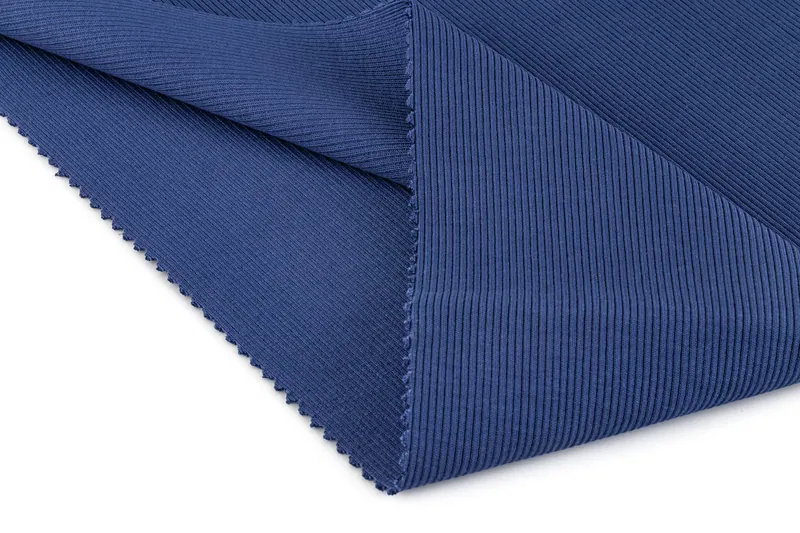
For a set like that, we would choose a 210 g pink French terry. It is a spring-to-autumn fabric with a loop back, light enough to wear at home and around town, and the pink tone looks great in daylight and lifestyle content. If the creator's audience prefers neutrals, you will find alternatives in the French terry range.
Measuring results and preparing stock
Give each creator a unique discount code and a tracked link. Follow site visits, sales using the code, sales in the days after publication and follower growth. A hypothetical example: you sent products costing 300 lei to make and paid a 700 lei fee. If the 20 orders generated brought a 60 lei margin each, that is 1,200 lei, so the collaboration paid off, and you also gained content. If only three orders came in, you effectively bought content rather than sales, which can still be useful, but you need to know it.
A successful collaboration can bring a rush of orders within 48 hours. Make sure your core sizes are in stock. For quick restocks, fabric can be bought from our Afumați stock by the roll with no minimum order.
The figures in the examples are hypothetical and only illustrate the calculation. They are not Alteks Tricot prices: we quote the price per kg of each article on request, usually the same working day. Ask for a quote
Frequently asked questions
Do I have to pay every influencer?
No. Many small creators accept product-based deals, especially if they like the brand. For guaranteed deliverables, deadlines and the right to use content in your ads, payment is fair and normal. Treat creators as professional suppliers; their work has value.
How should an influencer label the collaboration?
Paid or gifted collaborations must be identifiable as advertising, usually through the platform's paid partnership label and a clear mention in the caption. The exact rules can change, so check them and include the labelling obligation in your agreement. Failing to label can cause problems for both sides.
Can I use the creator's content in my ads?
Only if you agreed it in writing. Specify the channels, the duration and whether you may edit the material. Usage rights for ads usually cost extra, but content featuring real people often outperforms studio photography.