

Once a boutique agrees to carry your clothes, the next question is about money: will the shop buy the stock outright, or hold it on consignment? The answer reshapes your cash flow, the risk you carry and even how the shop treats your products.
Firm orders (classic wholesale)
In the classic model, the shop buys at your wholesale price, pays on delivery or on agreed terms, and owns the goods from then on. The risk of unsold stock is theirs.
What this gives you:
- you know exactly what you sold and when you will be paid;
- you can plan production and fabric purchases around real orders;
- the shop has a strong reason to sell stock it has paid for.
The drawback is that many boutiques will not take a risk on a new brand. Firm orders come more easily once you have a few stockists or a product customers already ask for.
Consignment
On consignment, the stock remains yours until an end customer buys it. The shop displays and sells it, then pays you your share periodically, usually monthly, based on a sales report. Anything unsold comes back.
For a young brand, consignment opens doors because the shop risks nothing. But it carries hidden costs:
- your cash is tied up in stock spread across several locations;
- pieces get handled, marked or lost;
- the shop has less incentive to put your products in front;
- record keeping gets messy: what is where, what has sold, what needs invoicing.
The tax and accounting side of consignment (transfer documents, when to invoice, recording stock held by third parties) differs from an ordinary sale, so agree it with your accountant before you sign the first agreement.
A worked comparison
Let's assume a hoodie with a retail price of 300 lei. On a firm order you might sell it to the shop at around 140 lei. On consignment, the shop's commission is usually lower, say 35 to 40 per cent of retail, so you would receive roughly 180 to 195 lei per piece sold.
On paper consignment looks more profitable. But if 12 of 20 pieces sell in a season, the other 8 come back, some with torn tags or try-on marks. You financed 20 pieces to be paid for 12, and the money arrived in instalments over several months. On a firm order you would have earned less per piece, but for all 20, and sooner.
The hybrid model, often the most realistic
Many brands settle on something in between:
- A first drop on consignment, limited in time (for example 60 days) and in quantity.
- Automatic conversion to a firm order on reorder, for the styles that sold.
- Firm orders with the right to exchange sizes or colours, but not to return for cash.
The shop gets security at the start, and you get a clear path to firm sales.
What goes into the agreement
Whichever model you choose, put it in writing:
- the recommended retail price and whether the shop may discount;
- the commission or wholesale price;
- how often sales are reported and paid;
- who is responsible for damaged or lost stock;
- the duration and conditions for returns;
- your right to check stock levels.
Which products suit consignment
Consignment works better for higher-priced, slower-moving pieces where the shop hesitates to buy. For basic tees that sell quickly, firm orders are almost always the healthier option.
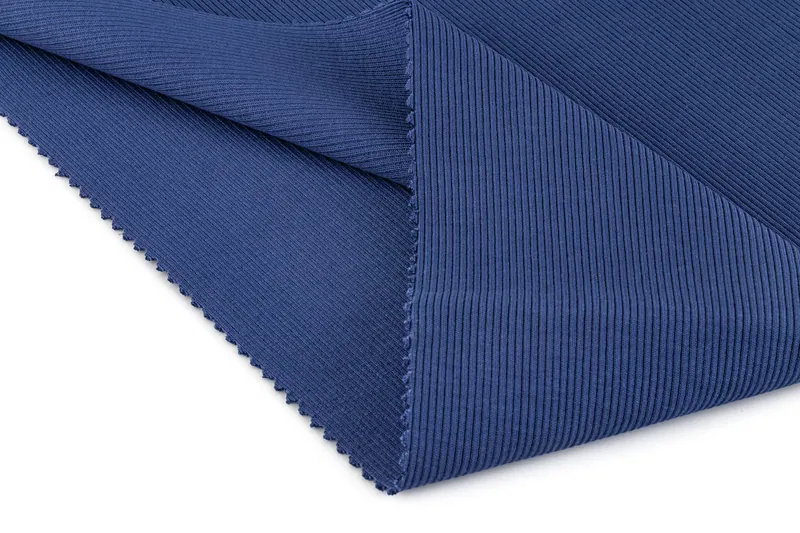
If you are testing a hoodie and jogger set in a boutique, choose a fabric that stands up to repeated try-ons and handling. We would use our 210 g pink french terry: the weight suits spring and autumn, the looped back does not pill easily after repeated fittings, and the elastane helps cuffs and waistbands keep their shape. More options are in the french terry and 2-thread range.
For small test runs, the fabric can be bought from stock with no minimum order, by the roll. When the style proves itself and you move to bigger firm orders, it can be made in any card colour from 150 kg per colour through a quote request.
The figures in the examples are hypothetical and only illustrate the calculation. They are not Alteks Tricot prices: we quote the price per kg of each article on request, usually the same working day. Ask for a quote
Frequently asked questions
Can I ask a boutique for a deposit on a firm order?
Yes, especially on a first order or for special colours. A deposit of a third or a half of the order value is common for made-to-order production. For stock you already hold, many brands accept payment on delivery or on short terms once the shop has proved reliable.
How do I track consignment stock across several shops?
Use a spreadsheet or stock system where each shop is a separate location, with quantities by style, colour and size. Ask for a sales report on a fixed date and do a physical count at least once a season. Without regular stocktakes, discrepancies build up quickly.
What should I do with stock returned from consignment?
Inspect every piece, pull anything with faults or try-on marks and re-tag what is in perfect condition. Returned stock can go to another shop, a seasonal sale or your online store. State in the agreement who pays for return shipping so there are no disputes later.