

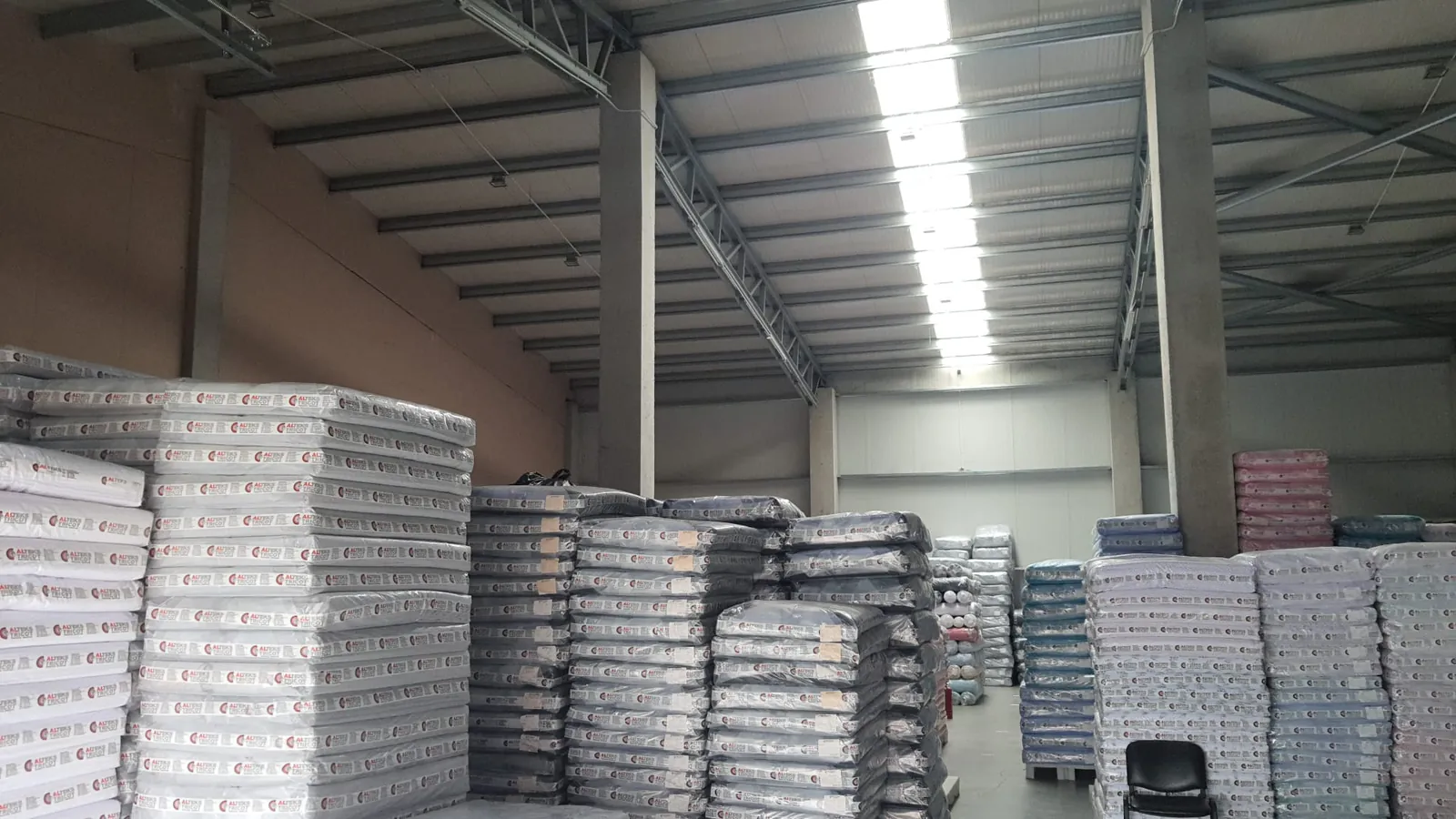
Many workshop and clothing brand owners face the same situation: orders are going well, margins are sound, yet the bank account always looks almost empty. The cause is usually the cash conversion cycle: the period during which money paid for fabric and labour sits locked in products and unpaid invoices. Understanding it is the first step to growing without expensive borrowing.
What the cash conversion cycle is
The cycle has three parts, each measured in days:
- inventory days: how long from receiving fabric to selling the finished product (cutting, sewing and storage included);
- receivable days: how long from the sale until the customer pays;
- payable days: how long you have from receiving fabric until you pay for it.
The formula is:
- Cycle = Inventory days + Receivable days − Payable days
The result shows how many days you must fund the business from your own or borrowed money.
A hypothetical example for a workshop
Let's assume a workshop making T-shirts for corporate clients:
- fabric sits in stock, goes into production and the finished goods ship about 45 days after the fabric arrived;
- the client pays 60 days after invoice;
- the fabric supplier must be paid within 15 days.
The cycle is 45 + 60 − 15 = 90 days. If the workshop spends on average 2,000 lei a day on fabric and labour, it needs roughly 180,000 lei permanently tied up in the business. If turnover rises by 50%, that capital requirement rises by 50% too, even when profit is healthy.
Now imagine the workshop manages to cut inventory days to 30 and receivable days to 45. The cycle drops to 30 + 45 − 15 = 60 days, and the capital tied up falls to roughly 120,000 lei. The 60,000 lei released can fund a new machine, an extra batch or a reserve for slow months, without any borrowing. That is why the cash cycle deserves the same attention as margin.
Shortening inventory days
- Buy fabric close to the production date. A roll stored for two months before cutting is two months of locked-up cash.
- Use suppliers with local stock. If fabric can arrive within days, you no longer need a large safety stock.
- Plan production in smaller batches that finish and sell sooner.
- Drop slow sellers. Every style that does not move lengthens the cycle for the whole company.
For core products, buying by the roll from a supplier's stock is one of the simplest levers. If you regularly make neutral tees, for instance, our 155 g/m² anthracite melange single jersey can be bought from stock by the roll when the order comes in, with no minimum, instead of keeping dozens of rolls in your own warehouse. You will find more articles on the stock list.
Shortening receivable days
- ask for a deposit on large orders, especially when the fabric is specific to that client;
- invoice on delivery, not at month end;
- put payment terms in writing in the quote and the contract;
- review overdue invoices weekly and call before the due date, not after;
- if your margin allows, offer a small discount for early payment.
Extending payable days the right way
Longer supplier terms help the cycle, but not at any price. Negotiate terms only once you have built a record of paying on time. A supplier who knows you may offer better conditions; one you pay late will ask for payment in advance. For concrete terms, talk to the supplier directly, for example through a quote request.
What to track each month
Calculate the cycle once a month using:
- stock value (raw material, work in progress, finished goods) divided by daily cost of sales;
- customer balances divided by daily sales;
- supplier balances divided by daily purchases.
You do not need accounting precision; a consistent monthly estimate shows the direction of travel. If the cycle lengthens month after month, you have a stock problem or a late-payment problem, even if sales are rising. Ask your accountant to help you pull these balances quickly from the company's books.
The figures in the examples are hypothetical and only illustrate the calculation. They are not Alteks Tricot prices: we quote the price per kg of each article on request, usually the same working day. Ask for a quote
Frequently asked questions
Is a negative cash conversion cycle possible in clothing?
Yes, if you collect from customers before paying suppliers, for example when selling online with payment at checkout and buying fabric on credit terms. It is the ideal position but rare in B2B. A more realistic aim is to shave a few days off the cycle every quarter.
How does sales growth affect the cash cycle?
The cycle in days may stay the same, but the amount of cash tied up grows in line with volume. That is why fast-growing firms often run out of money. Before accepting a large contract, work out how much you must advance and for how many days.
What financing options exist for a long cycle?
Common options are customer deposits, negotiated supplier terms, bank credit lines and factoring of issued invoices. Their costs and conditions differ widely, so discuss them with your bank and accountant before choosing.


