
#Manufacturing
Every The Knit Journal article about manufacturing, for clothing brands, workshops and entrepreneurs.
 Starting a clothing brand
Own workshop, CMT or full package: how to choose a manufacturer
How you get your garments made decides how much capital you tie up, how much control you keep over quality and how fast you can react to sales.
 Starting a clothing brand
Your first production run step by step: from fabric to stock
The first run is where the plan meets reality. Know the order of the stages and what can go wrong in each, and you will save weeks.
 Starting a clothing brand
Pre-production sample: what to check before bulk production starts
The pre-production sample is the visual contract between brand and workshop. Whatever you approve here is exactly what you will receive in hundreds.
 Starting a clothing brand
How to work with a CMT workshop: what you supply and what to ask
With CMT the workshop sews, but you run the project. A complete kit of materials and a written agreement prevent most disputes.
 Starting a clothing brand
What to put in a tech pack for your first clothing collection
The tech pack is the only document the workshop has in front of it when you are not there. Anything missing from it gets decided by chance.
 Garment manufacturing
How to lay out a small knitwear sewing workshop
A well-placed workshop gains minutes on every garment without buying anything new. Here is how to plan the space from fabric receipt to packing.
 Garment manufacturing
3, 4 or 5-thread overlock: which one does a knit workshop need?
The overlock is the workhorse of every knitwear workshop. The number of threads decides seam strength, stretch and which operations you can run.
 Garment manufacturing
Coverstitch machine: when you need one and how to use it on knits
The hem on a sleeve or body is the first thing a customer touches. A coverstitch makes it flat, stretchy and clean, if it is chosen and set correctly.
 Garment manufacturing
Do you need a lockstitch machine in a knitwear workshop?
The lockstitch looks like a woven-fabric machine, but in knitwear it does the fine work people see up close: the placket, the label, the pocket.
 Garment manufacturing
How to equip a cutting room for knitted fabrics
The cutting room decides fabric consumption and the accuracy of every operation that follows. The right equipment costs less than the fabric it saves.
 Garment manufacturing
How to spread knitted fabric without tension before cutting
Knit fabric stretched on the table looks perfect, then pulls back after cutting. The difference between a correct panel and an undersized one is made at spreading.
 Garment manufacturing
How to cut knitted fabric accurately: knife, notches and bundles
A well-spread lay can be ruined in ten minutes of rushed cutting. This is how a knitwear cutting room works so panels match when they reach the machines.
 Garment manufacturing
Which folders and attachments speed up knit garment sewing?
A modest, well-chosen attachment can make an operation faster and more consistent than a very good operator without it. Here is where they pay off.
 Garment manufacturing
New or used industrial sewing machines: how to choose
A used machine looks like a saving until it stops the line for the first time. Here is how to assess a second-hand machine and when to buy new.
 Garment manufacturing
How to recruit and test sewing machine operators
A shortage of skilled operators is one of the biggest problems in garment making. A well-run practical trial protects you from hiring mistakes.
 Garment manufacturing
How to train a new sewing operator: a practical 6-week plan
A beginner left to learn on the job ends up either slow or unsure. A clear six-week plan brings her to a steady pace much sooner.
 Garment manufacturing
Skill matrix and cross-training for sewing operators
When the only operator who can set plackets is off, the whole polo order stops. A skill matrix shows the risk before it becomes a problem.
 Garment manufacturing
Piece-rate or hourly pay in a garment workshop: what works?
A pay system changes behaviour on the line more than any rulebook. The wrong choice can cost you either quality or productivity.
 Garment manufacturing
How to calculate standard minutes (SAM) for a T-shirt
Without standard minutes you cannot cost labour, set targets or plan capacity. Here is the method, step by step, on a simple T-shirt.
 Garment manufacturing
Line balancing explained with a hoodie production line
A line is only as fast as its most loaded station. Balancing moves minutes from one station to another until bundles stop piling up.
 Garment manufacturing
How to measure productivity in a garment workshop: key KPIs
We worked hard today is not a metric. A few simple figures recorded daily show exactly where the workshop loses minutes and where it gains them.
 Garment manufacturing
Bundle system or modular flow: which suits a small factory?
The bundle system was built for long runs. Workshops that now make runs of 200 pieces and five styles a month often need something different.
 Garment manufacturing
How many garments a day can your workshop make? Capacity maths
Capacity is not machines multiplied by eight hours. It is what the workshop can realistically deliver after absence, efficiency and its slowest department.
 Garment manufacturing
Industrial sewing machine maintenance: a daily to yearly plan
A machine that stops mid-order costs more than a year of oil and needles. Preventive maintenance turns surprise breakdowns into planned overhauls.
 Garment manufacturing
Health, safety and ergonomics in a garment workshop
Back pain and cutting-knife injuries are not just part of the job. Most of them can be prevented with simple, inexpensive measures.
 Garment manufacturing
Thread trimming and pressing knitwear: setting up the finishing area
The garment is sewn but not yet finished. The finishing area decides whether a tee looks like it came from a shop or straight off the workshop floor.
 Garment manufacturing
How to grow a sewing workshop from 5 to 25 operators
A five-person workshop runs on the owner's memory. A 25-person one needs roles, rules and numbers. Getting from one to the other is the riskiest stage.
 Garment manufacturing
CMT, FOB or full package: which model should your workshop offer?
Your commercial model decides who buys the fabric, who carries the risk and how much capital one order ties up. The wrong choice can sink an otherwise good workshop.
 Garment manufacturing
How to move from CMT to full package without risking cash flow
Moving to full package does not start with a big order. It starts with processes: consumption sheets, reliable suppliers, payment terms and a cash buffer.
 Garment manufacturing
What to check in a client's tech pack before accepting an order
The tech pack a client sends is the basis of your production agreement. Every missing detail later turns into cost, delay or a claim.
 Garment manufacturing
Sample rounds explained: proto, fit, SMS and PP, and who pays
Sampling is where orders are won or lost. Without clear rules on stages and costs, a workshop ends up doing free development for anyone who asks.
 Garment manufacturing
How to build a production plan and time-and-action calendar
Most delays do not start on the sewing line but weeks earlier: an approval that never arrives, a forgotten trim, fabric ordered too late.
Garment manufacturingPacking and dispatch for garment orders: folding, bags, cartons
A perfectly sewn order can arrive creased, mixed across sizes or in wrongly marked cartons. Packing deserves a written standard, just like sewing.
 Garment manufacturing
How to manage several brand clients in one garment workshop
A workshop that depends on one client is fragile. One with ten clients and no rules is chaotic. Balance comes from processes, not goodwill.
 Hoodies & sweatshirts
Which seams and machines do you need to sew hoodies?
A hoodie passes through four or five types of machine. Knowing what each does helps you plan a workroom, choose a CMT partner or check a sample.
 Hoodies & sweatshirts
How to inspect a hoodie batch before it goes on sale
A defect found in your warehouse costs very little. The same defect found by a customer costs a return, a bad review and sometimes the customer.
 Kidswear & babywear
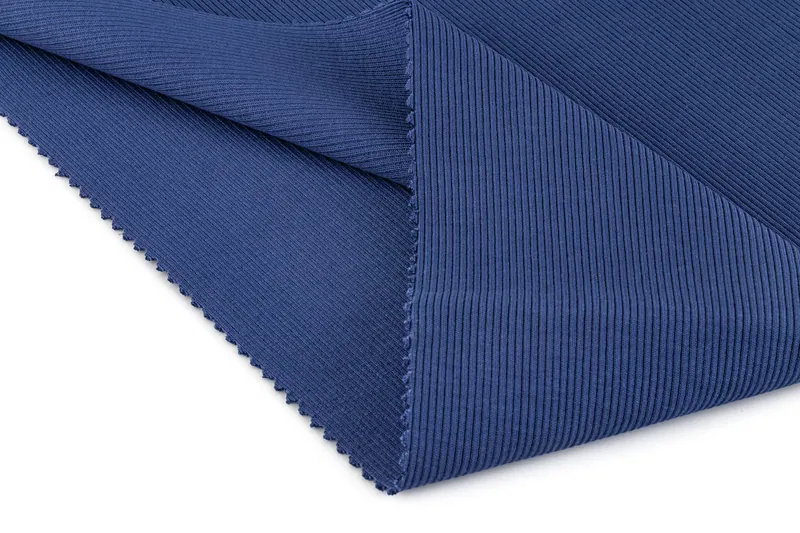
How to make a baby bodysuit: pattern, fabric and construction
The bodysuit is the backbone of every babywear range. It looks simple, but it is a sequence of operations where every detail ends up against a baby's skin.
 Kidswear & babywear
Private label kidswear: how to supply retailers' own brands
Private label means making children's clothes that carry someone else's name. It is a business of process, deadlines and paperwork far more than of design.
 Kidswear & babywear
How to work with a CMT workshop on small kidswear runs
Children's garments are small but involve many operations and strict finishing standards. A CMT workshop that is good at adult wear isn't automatically good at kidswear.
Loungewear, pyjamas & activewearHow to find a workshop to sew your pyjamas in Romania
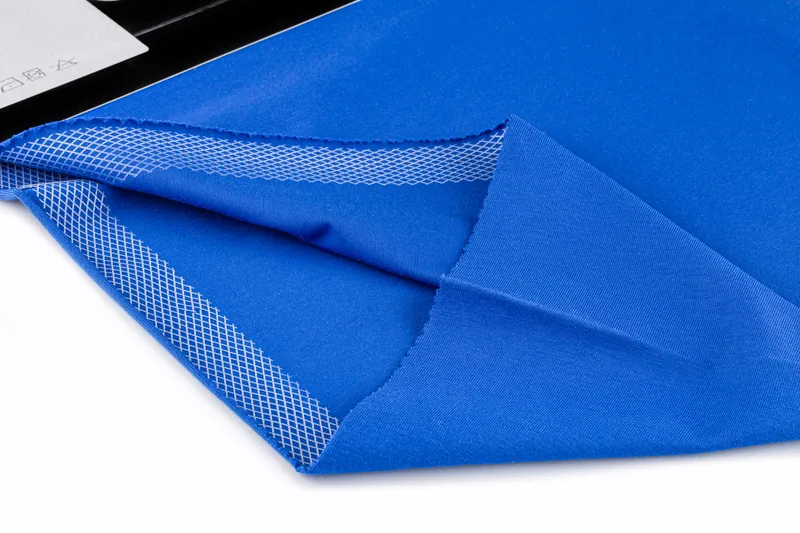
A good knitwear workshop can make excellent pyjamas. One used to woven fabrics can turn the same fabric into a batch of returns.
 Loungewear, pyjamas & activewear
What to put in a tech pack for a knitted lounge set
The workshop sews what the tech pack says, not what you had in mind. The clearer the document, the closer the first sample is to the final product.
Loungewear, pyjamas & activewearActivewear quality control: pilling, shrinkage and wash tests
Sportswear is washed more often and stretched harder than anything else in the wardrobe. A simple quality plan catches problems before they reach the customer.
Costing, pricing & marginsWhat a CMT price includes and how to check a sewing quote
A lower CMT quote is not necessarily cheaper. The difference often lies in what is left out, and you only see it on the invoice.
 Costing, pricing & margins
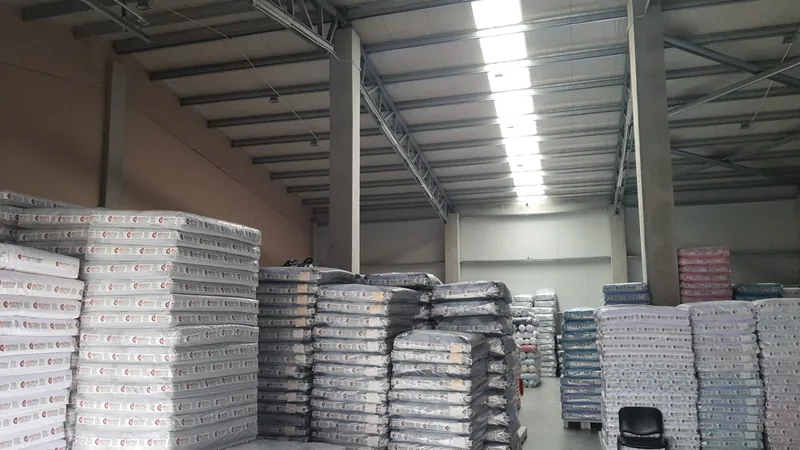
How to allocate overheads to each garment you produce
A product can look profitable simply because it carries none of the rent and salaries. Allocating overheads properly shows the real cost.
 Costing, pricing & margins
How to cost finishing, quality control and packing per garment
The last metres of the production line are the easiest to forget on a cost sheet. Finishing, inspection and rejects need to be calculated, not assumed.
Costing, pricing & marginsThe cash conversion cycle in a clothing business, explained
A business that is profitable on paper can still run out of cash. The explanation usually lies in the number of days between paying out and getting paid.
 Costing, pricing & margins
Payment terms for B2B garment clients: deposit, 30 or 60 days?
Payment terms are part of the price. Grant 60 days without costing it and you are effectively financing your client's business.
 Quality, compliance & sustainability
How to inspect knitted fabric rolls on delivery: the 4-point system
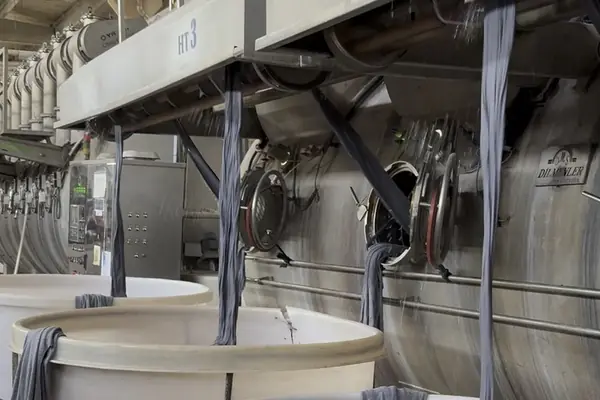
A fault spotted on the roll costs you a few minutes. The same fault found on a finished T-shirt costs the garment, the labour and sometimes the customer. Here is the method serious workrooms use.
 Quality, compliance & sustainability
What is AQL inspection and how to use it on small garment orders
You cannot check every piece in an order of 500 polo shirts, and you do not need to. AQL tells you how many to pull and how many defects you can accept.
 Quality, compliance & sustainability
Final inspection checklist for hoodies and fleece sweatshirts
Hoodies have more parts and more places to go wrong than a T-shirt. A dedicated checklist makes final inspection fast and complete.
 Quality, compliance & sustainability
How to store knitted fabric rolls to avoid quality problems
Fabric that was perfect on delivery can become unfit for cutting after a few months in a damp corner. Storage is part of quality control too.
 Quality, compliance & sustainability
How to write a quality manual for a small clothing brand
A quality manual is not a binder for auditors. For a small brand, it is the document that makes every order turn out as well as the first one.
Selling & marketing in RomaniaHow to work with promotional agencies as a manufacturer
Agencies sell projects, not tees. A maker who makes their job easier, quietly and on time, gets orders year after year.
 Selling & marketing in Romania
Private label for retailers: should you make clothes for them?
Private label brings volume without marketing spend, but also price pressure and dependence on one customer. Here is how to decide whether, and how much, it is worth it.
 Selling & marketing in Romania
How to find B2B clients for a garment workshop
A workshop with good machines and skilled people can still sit idle. Clients do not arrive by themselves: they need to know what you make, for whom and on what terms.