One of the first practical decisions for a new brand is who actually sews the garments. There are three main routes: set up your own workshop, work with a CMT unit (cut, make and trim on your fabric, known in Romania as lohn) or buy finished goods from a full-package manufacturer that also sources fabric and trims. Each route has a different cost profile, a different level of control and a different kind of risk.
Option 1: your own workshop
Your own workshop gives you full control: you see every seam, you can change details overnight and you are not waiting on anyone else's schedule. The price is capital and management time. You need space, machines (at minimum a lockstitch machine, an overlocker and a coverstitch machine, plus a cutting table and an industrial iron), skilled staff and enough steady work to keep people busy.
Own production makes sense when:
- you or a partner already have garment-making experience;
- monthly volume is predictable and large enough for several people;
- the product has details that outside workshops struggle to execute consistently.
For most brands on their first collection, a workshop comes too early. Money locked in machines and wages could otherwise finance stock and marketing.
Option 2: CMT production
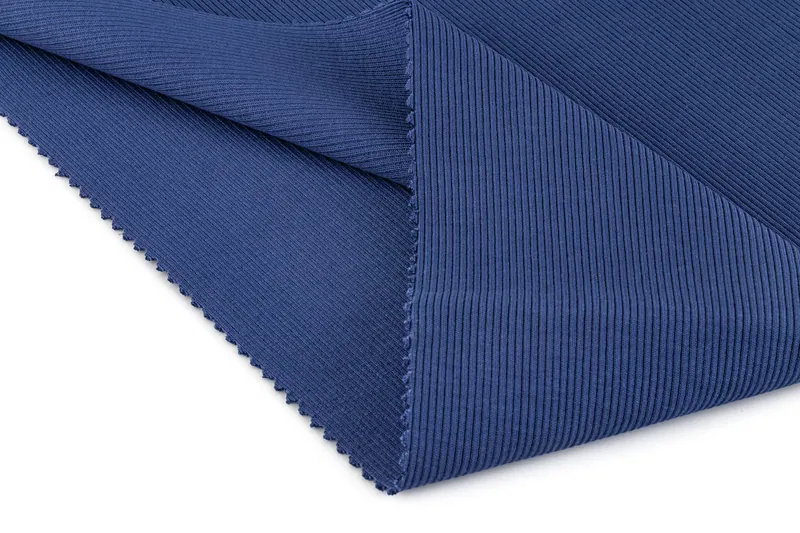
With CMT, you buy the fabric, rib, labels and trims and deliver them to the workshop, which invoices you for labour per piece. It is the model most small brands in Romania use, because:
- you choose the fabric and the supplier, so you control the base quality of the product;
- you only pay for labour, without financing machinery;
- you can move to another workshop if you are unhappy, taking your patterns and tech packs with you.
The downside is that you coordinate everything: calculating fabric requirements, delivering trims on time and checking quality. If one label or drawcord is missing, production stops. CMT units usually have their own minimum per style or per order, which should be agreed at the start.
Option 3: full package
A full-package manufacturer delivers finished goods: it buys fabric and trims, cuts, sews, prints and packs. For the founder it is the simplest model, but the most expensive per piece, because you pay the manufacturer's margin on the materials as well. You also get less visibility of where the fabric comes from and how good it is, and minimums per style and colour tend to be higher.
Full package makes sense for technical products where the manufacturer has know-how you lack, or when the founder's time is the scarcest resource in the business.
How to compare the three with numbers
Don't compare price per piece alone. Put these in one table:
- Total cost per garment: fabric + labour + trims + transport + print.
- Capital tied up before the first sale.
- Your own monthly coordination time.
- Minimum quantity per style and colour.
- Lead time for a repeat order.
Let's assume a T-shirt where fabric costs, for example, 10 lei per piece and CMT labour 12 lei. With CMT you pay 22 lei plus trims and transport. A full-package supplier might quote 30 lei for the same tee because it adds its margin to the fabric and takes on the coordination. A difference of 8 lei per piece across 500 tees is 4,000 lei, which might be your entire launch photography budget. It is only worth saving if you have the time to coordinate.
What fabric to give the workshop
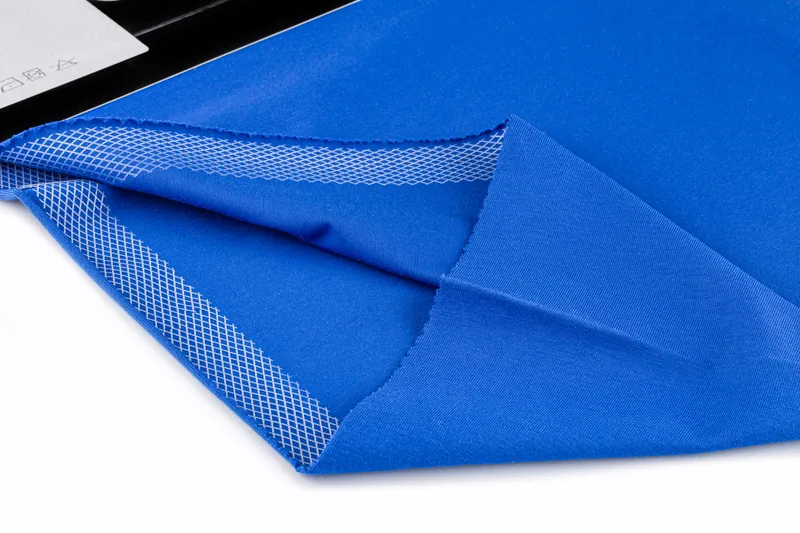
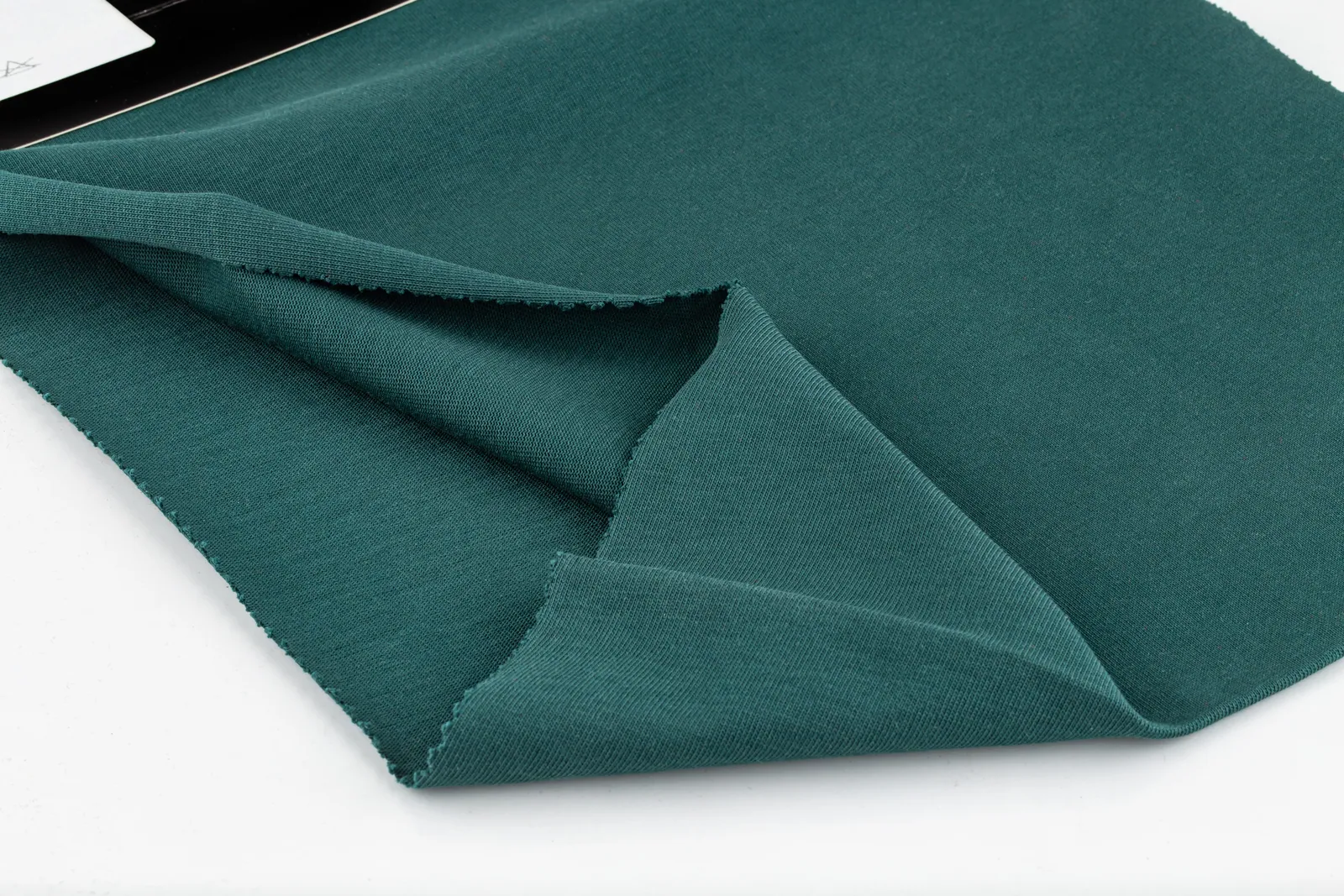
With CMT, fabric quality is your responsibility, so choose an article that is stable and easy to handle. A 150–160 g/m² single jersey is one of the easiest fabrics for any workshop: it doesn't twist excessively when cut, it sews cleanly and it takes DTF or screen printing well. Our anthracite melange jersey in 155 g, made from combed cotton and polyester, is a good example for core tees and merch: the melange hides lint and small variations, and the polyester content helps dimensional stability after washing. Other weights and colours are in the single jersey range.
The recommendation for a first collection
For most new brands, CMT is the best compromise: control over fabric, low capital and flexibility. Start with a workshop that accepts small runs, ask for a trial sample on your real fabric and agree measurement tolerances in writing. If you want to work with fabric that is available now with no minimum, ask for the stock list; if you need your own colour, a quote request will give you the made-to-order terms, from 150 kg per colour per article.
The figures in the examples are hypothetical and only illustrate the calculation. They are not Alteks Tricot prices: we quote the price per kg of each article on request, usually the same working day. Ask for a quote
Frequently asked questions
What exactly does CMT mean in garment production?
CMT stands for cut, make and trim. The workshop works on the client's fabric and invoices only labour: cutting, sewing, finishing and sometimes packing. The client buys and delivers the fabric, rib, labels and trims. It lets small brands control their materials without investing in machinery.
How do I vet a workshop before the first order?
Ask for a sample sewn on your fabric, from your own pattern and tech pack, and measure it against your size chart. Visit the workshop if you can, ask what machines they run, what minimum they accept and how they handle defects. Start with a small order before trusting them with the whole collection.
Can I combine CMT and full-package production?
Yes, many brands do. Simple products such as tees and hoodies are made CMT on fabric the brand chooses, while technical items or accessories like caps are bought finished. The key is to apply the same quality standards and the same tech-pack discipline to everything you sell.