
#Certification
Every The Knit Journal article about certification, for clothing brands, workshops and entrepreneurs.
 Starting a clothing brand
How to start a kids' clothing brand: what to know first
Children's clothes look small and simple, but they have the most demanding customer in fashion: a parent who watches safety, fabric and every single wash.
 Starting a clothing brand
How to build a credible sustainable clothing brand from the start
"Eco" on a label convinces nobody any more and can even become a legal problem. Credible sustainability is built from decisions you can prove, not from words.
 T-shirts
Sustainable promo t-shirts: OEKO-TEX, GOTS and tenders
When a client asks for sustainable tees, the useful question is what you can prove. Certificates, paperwork and honest claims count for more than a green label.
 Hoodies & sweatshirts
Kids' hoodies: which safety rules must a brand follow?
A kids' hoodie is not just a smaller adult hoodie. Cords, trims and prints have their own rules, and the responsibility lies with whoever places the product on the market.
 Polo shirts & uniforms
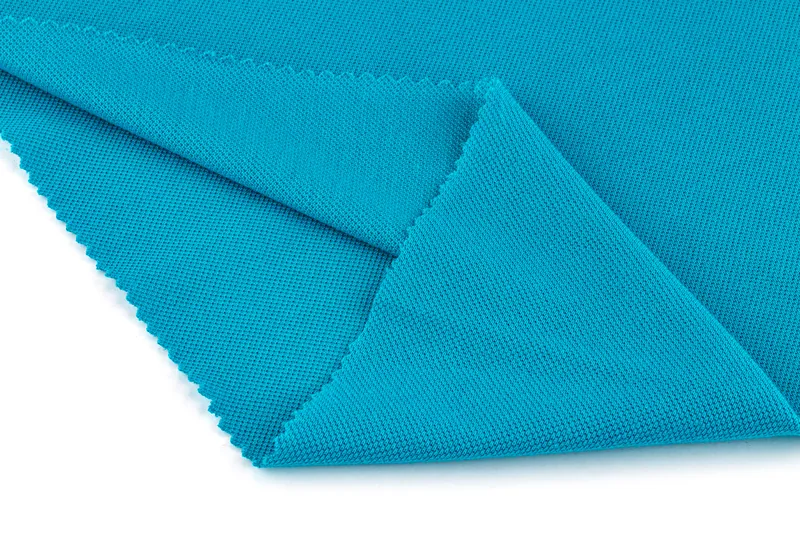
School uniform polo shirts: which fabric and weight suit children?
A school polo is worn five days a week, at break time, on the playground and at the desk. The fabric has to survive children, the washing machine and parents' expectations.
 Kidswear & babywear
OEKO-TEX product class I for babywear: what to ask suppliers
The OEKO-TEX label is often quoted and rarely checked. For a babywear maker, the gap between a valid certificate and one that does not cover your product matters.
 Kidswear & babywear
Sustainable kidswear: how to position it without greenwashing
Parents care about sustainability, and they also spot empty promises. A children's brand earns trust with claims it can prove, not with green leaves on the label.
 Loungewear, pyjamas & activewear
Children's nightwear rules: safety, labelling and fit basics
With children's pyjamas, safety is not a marketing claim but an obligation. Most risks can be designed out before the first sample.
Loungewear, pyjamas & activewearSustainable activewear: cotton, synthetics and certifications
Sustainability in sportswear is not solved by a word on a label. It is solved by products that last, well-chosen fabrics and claims you can actually prove.
 Quality, compliance & sustainability
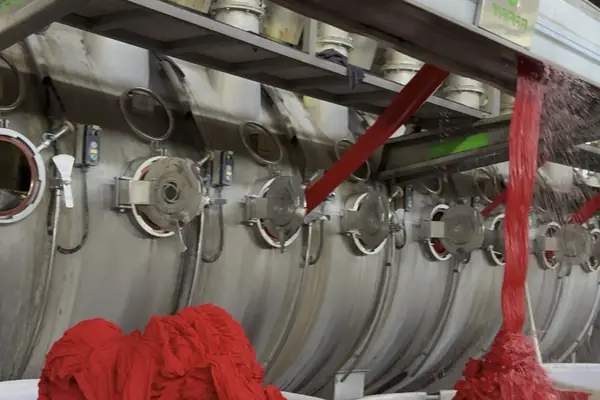
How to work with a textile testing lab and read its report
A lab report can reassure a big client or save a production run from failure, provided you order the right tests and know what the numbers mean.
 Quality, compliance & sustainability
How to make babywear safe: fabric, trims and chemical checks
A baby's skin is thinner, and babies put everything in their mouths. That is why every fabric and trim choice for newborn clothing has to be judged more strictly.
 Quality, compliance & sustainability
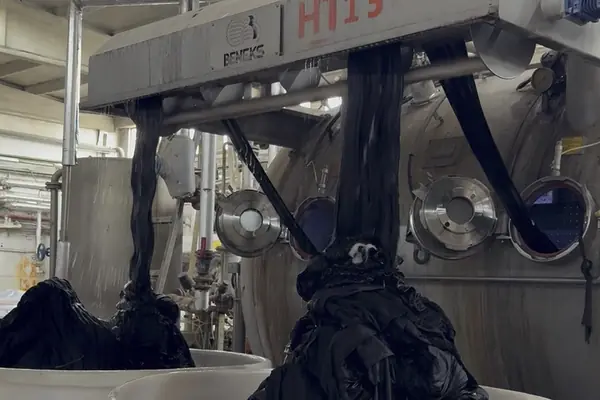
Which compliance documents to ask your fabric supplier for
Fabric documents should be requested before you order, not after a complaint. A short list sent with your quote request saves weeks of back-and-forth later.
 Quality, compliance & sustainability
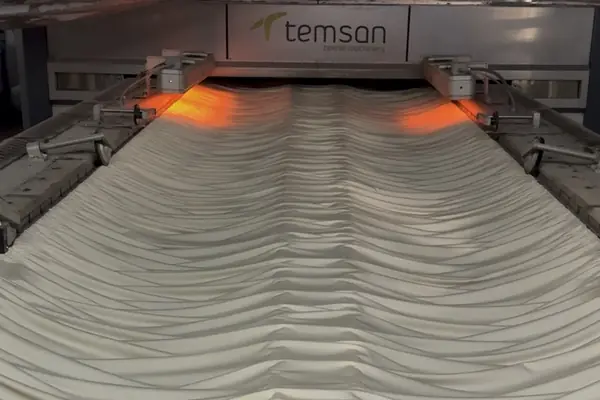
OEKO-TEX STANDARD 100 explained: what it means for your brand
OEKO-TEX is probably the best-known textile label in Europe. That is also why it is the one small brands most often misuse in their marketing.
 Quality, compliance & sustainability
Is GOTS organic cotton certification worth it for a small brand?
Organic cotton sounds good in any brand deck. Between wanting to use it and being entitled to promote it lies a full chain of certification that few brands cost out at the start.
 Quality, compliance & sustainability
Recycled polyester and recycled cotton: what brands should know
Recycled fibres are one of the most requested topics for new collections. They bring real benefits, along with technical trade-offs and strict rules on how you talk about them.
 Selling & marketing in Romania
How to market babywear and kidswear so parents trust you
With baby and children's clothing, the buyer is not the wearer. Parents are looking for safety and peace of mind, and your marketing has to answer exactly those needs.