
#Labelling
Every The Knit Journal article about labelling, for clothing brands, workshops and entrepreneurs.
 Starting a clothing brand
How to build a clothing brand identity: logo, colours and voice
A clothing brand's identity does not live only on screen. It lives on 3 cm labels, small embroideries and the fabric itself, so design it for those places.
 Starting a clothing brand
How to start a private label clothing brand from blank basics
Private label shortens the road to launch, but it puts you in the same race as everyone selling the same tee. The details you choose make the difference.
 Starting a clothing brand
Pre-production sample: what to check before bulk production starts
The pre-production sample is the visual contract between brand and workshop. Whatever you approve here is exactly what you will receive in hundreds.
 Starting a clothing brand
What to put in a tech pack for your first clothing collection
The tech pack is the only document the workshop has in front of it when you are not there. Anything missing from it gets decided by chance.
 Garment manufacturing
How to plan trims and accessories for a hoodie production order
A hoodie order can stall for want of one size label. A trims list that is calculated and ordered on time matters as much as the fabric.
 Garment manufacturing
Packing and dispatch for garment orders: folding, bags, cartons
A perfectly sewn order can arrive creased, mixed across sizes or in wrongly marked cartons. Packing deserves a written standard, just like sewing.
 Garment manufacturing
Delivering to an online store's warehouse: barcodes and labels
A fulfilment warehouse will not phone to ask what you meant to send. Goods that break its inbound rules are refused or sit blocked for days.
 T-shirts
Private label t-shirts: how to launch your own label
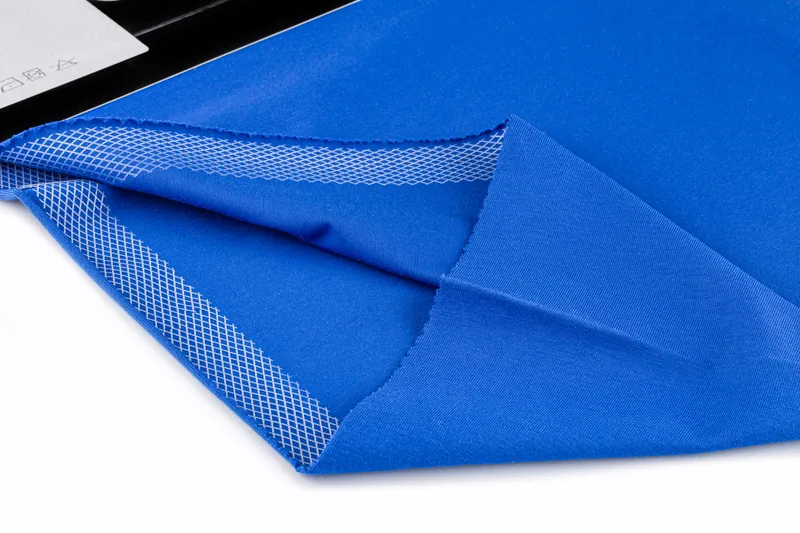
A private label tee is not just a blank with a different label. The difference lies in the fabric, the finishing details and the responsibility you take on towards the customer.
 T-shirts
How to package t-shirts for an online shop
Packaging is the first thing the customer touches. A good tee that arrives creased in a random bag looks cheaper than it really is.
 T-shirts
How to sell t-shirts on eMAG and other marketplaces
On a marketplace, your tee sits next to hundreds of similar ones. The winner is the one with the clearest listing and the fewest returns.
 T-shirts
How to wash-test printed t-shirts before bulk production
Print faults are not visible on delivery; they appear after the third wash, at the customer's home. A test before the run costs a few tees and can save a whole order.
Hoodies & sweatshirtsKids' hoodies: which safety rules must a brand follow?
A kids' hoodie is not just a smaller adult hoodie. Cords, trims and prints have their own rules, and the responsibility lies with whoever places the product on the market.
 Hoodies & sweatshirts
How to inspect a hoodie batch before it goes on sale
A defect found in your warehouse costs very little. The same defect found by a customer costs a return, a bad review and sometimes the customer.
 Polo shirts & uniforms
100% cotton or cotton-polyester piqué: which blend to choose?
Customers often ask for 100% cotton, yet for some uses a polyester blend wears and washes better. The right choice starts with how the polo will be used.
 Polo shirts & uniforms
Polo shirt quality control: what to check before delivery
One polo with a crooked placket in a box of a hundred can lose you a customer. A structured inspection with a clear checklist catches defects before goods leave.
Polo shirts & uniformsIndustrial laundering of knitted uniforms: what fabric survives?
A shirt that looks fine after 50 home washes can fail after 20 industrial cycles. Industrial laundries have their own rules, and the fabric must be chosen for them.
 Kidswear & babywear
Baby clothing sizes by age and height: sizes 50 to 98
Size 68 does not mean six months; it means 68 centimetres tall. The distinction sounds technical, but it decides how many returns you get and how many parents come back.
Kidswear & babywearLabels on children's clothing: composition, care and comfort
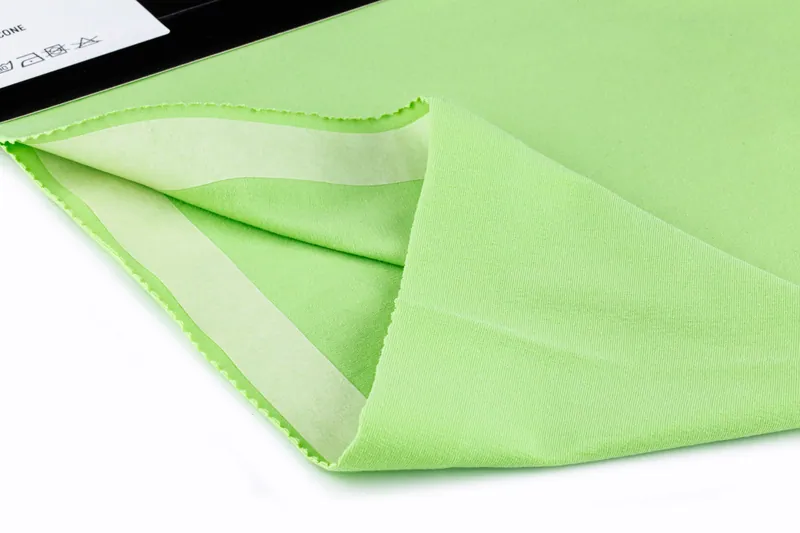
The label is the part of a garment a child feels most and a parent reads least. It has to be right for the authorities and invisible to the skin.
 Kidswear & babywear
How to wash-test kidswear for durability before launch
Children's clothes are washed far more often than adults'. A wash test before launch tells you what parents will discover a month after buying.
Kidswear & babywearKidswear brand identity: name, colour palette and packaging
A children's brand talks to parents, not to children. Your name, colours and packaging have to signal trust before they signal fun.
 Loungewear, pyjamas & activewear
Children's nightwear rules: safety, labelling and fit basics
With children's pyjamas, safety is not a marketing claim but an obligation. Most risks can be designed out before the first sample.
 Costing, pricing & margins
How to cost trims, labels and packaging per garment
Trims cost little per piece and a lot in total, especially when you order a thousand labels for three hundred T-shirts.
 Quality, compliance & sustainability
How to write a fibre composition label under EU rules
A composition label looks like a detail, yet it is the first thing an inspector or a careful customer checks. These are the rules that matter and the mistakes we see most often.
 Quality, compliance & sustainability
What must a clothing label say in Romanian to sell in Romania?
A local brand using ready-made English labels and an importer reselling garments from elsewhere face the same question: what has to be translated, and what can stay as it is.
Quality, compliance & sustainabilityCare label symbols explained: how to choose them for knitwear
Care symbols tell customers how to wash a garment, and they protect you when a complaint lands. Choose them from the fabric and trims, not out of habit.
 Quality, compliance & sustainability
How to label a hoodie with rib cuffs, lining and other parts
An ordinary hoodie often uses three different fabrics. EU rules are clear about how to declare them, and a well-built tech pack stops mistakes before labels are printed.
 Quality, compliance & sustainability
Do uniforms and promotional T-shirts need textile labels?
Many merch and uniform suppliers assume labelling only matters in retail. The rules reach further than that, and a few exceptions are narrower than people think.
 Quality, compliance & sustainability
Using a CMT workshop: whose name goes on the clothing label?
When cutting and sewing happen at a partner workshop, many brand owners are unsure which company belongs on the label. The answer has real consequences when a complaint arrives.
 Quality, compliance & sustainability
What textile and safety info must an online clothing listing show?
In a shop, customers read the label. Online, the product page stands in for the label, and EU rules require key information to be visible before purchase.
Selling & marketing in RomaniaHow to become a clothing supplier to a retail chain
A retail chain can double a workshop's volume, but it plays by strict rules. Know them before your first meeting with the category buyer.
Selling & marketing in RomaniaWhich languages do clothing labels need for EU export?
A label that is correct in Romania can be incomplete in Germany or France. Plan the languages and information before production, not after.
Selling & marketing in RomaniaPackaging and unboxing for a clothing brand: what is worth it
The parcel is the first physical contact between customer and brand. Thoughtful packaging need not be expensive, but it must protect the product and say clearly who sent it.