
#Hoodies
Every The Knit Journal article about hoodies, for clothing brands, workshops and entrepreneurs.
 Starting a clothing brand
Pre-order model for clothing brands: how it works in practice
Pre-orders let you produce with customers' money and no unsold stock. They only work if lead times, sizes and fabric are planned before you open.
 Starting a clothing brand
How much does it cost to start a clothing brand? A real budget
There is no standard amount, but there is a standard structure. Once you fill it in with your own figures, you know exactly how much money you need.
 Starting a clothing brand
Common mistakes founders make when starting a clothing brand
Most small brands do not close because of one bad decision, but because of five or six small mistakes made in the first months. Every one of them can be avoided.
 Starting a clothing brand
How much fleece fabric do you need for 100 hoodies?
A hoodie uses three to four times more fabric than a tee, and calculation errors cost accordingly. Here is the complete example for a run of 100.
 Starting a clothing brand
Your first production run step by step: from fabric to stock
The first run is where the plan meets reality. Know the order of the stages and what can go wrong in each, and you will save weeks.
 Starting a clothing brand
Your brand's first hoodie: which fabric and weight to choose
Customers judge a hoodie in the first three seconds: its weight in the hand, the feel inside and the way the hood falls. All three come from the fabric.
 Starting a clothing brand
How to match rib cuffs, waistbands and collars to your main fabric
Stretched cuffs and wavy necklines are the first signs of a cheaply made garment. You prevent them by choosing the right rib, not by sewing more carefully.
 Garment manufacturing
How to equip a cutting room for knitted fabrics
The cutting room decides fabric consumption and the accuracy of every operation that follows. The right equipment costs less than the fabric it saves.
 Garment manufacturing
How to cut knitted fabric accurately: knife, notches and bundles
A well-spread lay can be ruined in ten minutes of rushed cutting. This is how a knitwear cutting room works so panels match when they reach the machines.
 Garment manufacturing
Line balancing explained with a hoodie production line
A line is only as fast as its most loaded station. Balancing moves minutes from one station to another until bundles stop piling up.
 Garment manufacturing
Industrial sewing machine maintenance: a daily to yearly plan
A machine that stops mid-order costs more than a year of oil and needles. Preventive maintenance turns surprise breakdowns into planned overhauls.
 Garment manufacturing
What to check in a client's tech pack before accepting an order
The tech pack a client sends is the basis of your production agreement. Every missing detail later turns into cost, delay or a claim.
 Garment manufacturing
How to grade knit patterns for T-shirts and hoodies
A perfect base size does not guarantee a good size run. Grading decides whether the S and the XXL look as good as the approved sample.
 Garment manufacturing
How to calculate rib length for necklines, cuffs and waistbands
A wavy neckline or a waistband that stretches out within a month is almost always a calculation problem, not a sewing problem. Here is how to set the ratio.
 Garment manufacturing
Sample rounds explained: proto, fit, SMS and PP, and who pays
Sampling is where orders are won or lost. Without clear rules on stages and costs, a workshop ends up doing free development for anyone who asks.
 Garment manufacturing
Stock fabric or made-to-order: planning fabric lead times
Stock gives you speed; made-to-order gives you the exact colour. Workshops that plan well use both, at the right point in the season.
 Garment manufacturing
How to plan trims and accessories for a hoodie production order
A hoodie order can stall for want of one size label. A trims list that is calculated and ordered on time matters as much as the fabric.
 Hoodies & sweatshirts
French terry or brushed fleece: which fabric for hoodies?
On a hanger the two fabrics can look identical. On the body, in the wash and on the cutting table they behave very differently. Here is how to decide.
Hoodies & sweatshirtsWhat GSM should a hoodie be for spring, autumn and winter?
Fabric weight is not just a number on the spec sheet. It decides when a hoodie sells, what it costs and how it feels in the customer's hand.
 Hoodies & sweatshirts
2-thread vs 3-thread fleece: what is the difference?
Fabric names on supplier quotes can read like mill shorthand. Once you see how each is knitted, choosing between 2-thread and 3-thread becomes obvious.
 Hoodies & sweatshirts
Brushed or unbrushed 3-thread fleece: how to choose
The same 3-thread knit can become a plush fleece or a structured diagonal-back fabric. One finishing step makes the difference: brushing.
 Hoodies & sweatshirts
Rib or cascorse for hoodie cuffs and waistbands?
Cuffs and waistbands are the first things that give a cheap hoodie away. Choosing the right rib structure solves half the problem.
 Hoodies & sweatshirts
How to calculate rib cuff and hem lengths for hoodies
A rib band cut 3 cm too long ripples; one cut too short puckers the body. Getting the calculation right takes five minutes.
 Hoodies & sweatshirts
How to construct a hood: panels, lining and neckline
The hood is the most visible part of a hoodie and the first thing that looks wrong in photos. A well planned construction makes it sit right on the head and on the shoulders.
 Hoodies & sweatshirts
How to sew a kangaroo pocket that stays flat and strong
The kangaroo pocket looks like the simplest part of a hoodie. That is exactly why it is often rushed, and ends up sagging, tearing at the corners or bulging.
 Hoodies & sweatshirts
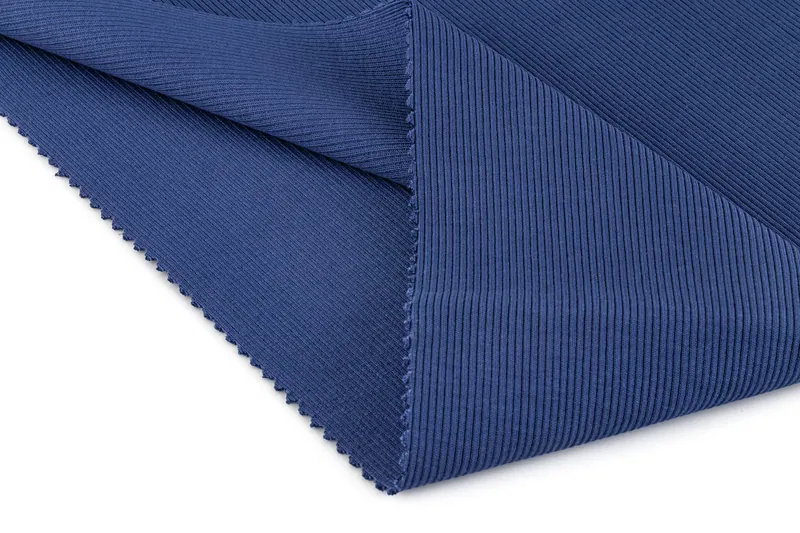
How to make a zip hoodie: zips, plackets and fabric
A rippling zip ruins the best cut hoodie. The cause is rarely the zip itself, but the mix of fabric, stabilising and the way it is sewn in.
 Hoodies & sweatshirts
Drawcords, eyelets and trims: how to specify hoodie trims
Trims are a small part of the cost but a big part of perceived quality. A fraying cord or a rusting eyelet cancels out a good fabric.
 Hoodies & sweatshirts
How to pattern an oversized boxy hoodie that hangs right
A good oversized hoodie is not a regular hoodie graded up two sizes. It has its own proportions, designed around volume.
Hoodies & sweatshirtsHow much fabric does a hoodie need? Consumption per piece
Hoodie fabric is bought by the kilo, but patterns are measured in centimetres. Here is how to link the two so you order exactly what you need.
Hoodies & sweatshirtsHow to stop fleece hoodies shrinking after washing
A hoodie that comes out of the wash a size smaller means returns and bad reviews. Shrinkage cannot be eliminated completely, but it can be controlled.
Hoodies & sweatshirtsWhy do sweatshirts pill and how to prevent it?
Bobbles on the elbows and under the arms make a new hoodie look old within a month. They are not bad luck, but the result of fabric decisions.
Hoodies & sweatshirtsHow to make a crewneck sweatshirt: neckline, sleeves, hem
With no hood and no big pocket, a crewneck has nowhere to hide mistakes. The neckline, the shoulders and the hem must be spot on.
Hoodies & sweatshirtsWhich seams and machines do you need to sew hoodies?
A hoodie passes through four or five types of machine. Knowing what each does helps you plan a workroom, choose a CMT partner or check a sample.
Hoodies & sweatshirtsHow to cut fleece for hoodies without waste or distortion
On hoodies, many faults that look like sewing faults are really cutting faults. Twisted sleeves, shade differences and uneven pieces start on the cutting table.
Hoodies & sweatshirtsHow to match rib colour to hoodie body fabric
Cuffs in a slightly different blue or black from the body are a defect you can see from two metres away. Colour matching is planned, not hoped for.
Hoodies & sweatshirtsWhat to put in a hoodie tech pack for a factory
A factory can sew exactly what you ask for only if you ask exactly. The tech pack turns a hoodie idea into instructions that leave no room for guesswork.
Hoodies & sweatshirtsHoodie measurement points and size grading explained
Two people measuring the same hoodie can get different numbers. Clearly defined points of measure and logical grading end the arguments with your factory.
Hoodies & sweatshirtsDoes sweatshirt fabric need elastane? Pros and cons
A small percentage of elastane can completely change how a hoodie holds its shape. It is not a universal fix, though, and it comes with its own rules.
Hoodies & sweatshirts100% cotton or cotton-polyester fleece for hoodies?
Composition is the first line on a hoodie label and one of the first things a careful customer checks. Both options have genuine advantages.
Hoodies & sweatshirtsHow to plan your first hoodie collection for a streetwear brand
A first drop does not need to be big, it needs to be coherent. Here is how to build a small hoodie range that sells and tells you what to make next.
Hoodies & sweatshirtsEmbroidery on hoodies: what to know before you order
Embroidery only looks premium when the fabric, the backing and the digitised file work together. These steps will save you from a puckered batch.
Hoodies & sweatshirtsPuff print on hoodies: how to get a raised print that lasts
Puff print gives a streetwear hoodie texture and character, but it forgives very little. Artwork, ink, fabric and curing have to be planned together.
Hoodies & sweatshirtsDTF transfers on hoodies: how to press them properly
DTF is fast and has no set-up cost, but a hoodie is a harder surface than a T-shirt. Preparation, the press and the fabric make the difference.
Hoodies & sweatshirtsScreen printing hoodies: plastisol, water-based or discharge?
Your ink choice changes how the hoodie feels, how long the print lasts and which fabric colours you can print on. This practical comparison helps you decide.
Hoodies & sweatshirtsEmbroidery, DTF or screen print on hoodies: choose by quantity
Decoration is not chosen on taste alone. The number of pieces, the number of colours and the logo position completely change the cost per hoodie.
Hoodies & sweatshirtsTeam hoodies for sports clubs: how to organise the order
A club is not just buying hoodies, it is buying a uniform look for dozens of people with different sizes and names. How you run the order matters as much as the fabric.
Hoodies & sweatshirtsSchool and leavers' hoodies: how to run a class-by-class order
Leavers' hoodies and school crest hoodies are a predictable seasonal market. The winners are the suppliers with a clear process, not just a good price.
Hoodies & sweatshirtsCorporate merch hoodies: brief, brand colour and budget
A successful corporate hoodie is still being worn long after the event. To get there, the brief has to talk about the people wearing it, not just the logo.
Hoodies & sweatshirtsHoodies as staff uniforms: what they need to withstand
A uniform hoodie is not event merch. It is worn every day, washed dozens of times and has to look the same on every repeat order.
Hoodies & sweatshirtsWhen to start hoodie production for the autumn–winter peak
Hoodies sell in autumn but are decided in spring. A reverse calendar shows exactly when to sign off samples, order fabric and start cutting.
Hoodies & sweatshirtsStock fabric or made-to-order fabric for hoodies: which fits?
Stock gives you speed and flexibility; made-to-order gives you your own colour and volume. In practice most brands use both.
Hoodies & sweatshirtsHow to launch a hoodie brand with small quantities
You do not need 500 pieces to start a hoodie brand. You need a supply chain that works in small runs and a plan for growing out of them.
Hoodies & sweatshirtsWhat makes a hoodie premium and how to position it
Premium is not a word to print on a swing tag but a set of decisions customers can feel in their hands. Here is what matters and how to communicate it.
Hoodies & sweatshirtsGarment-dyed and washed hoodies: how to get the vintage look
The washed, slightly faded look is one of the most wanted in streetwear. There are several ways to get it, and each comes with its own fabric and pattern rules.
Hoodies & sweatshirtsKids' hoodies: which safety rules must a brand follow?
A kids' hoodie is not just a smaller adult hoodie. Cords, trims and prints have their own rules, and the responsibility lies with whoever places the product on the market.
Hoodies & sweatshirtsHow to calculate the selling price of a hoodie
A hoodie's price is not cost times two. Forget returns, fees and advertising and you can sell plenty while earning very little.
Hoodies & sweatshirtsHow to sell hoodies online: photos, size charts and returns
Online, the customer cannot touch the hoodie. Your photos, measurements and copy have to answer every question they would ask in a shop.
Hoodies & sweatshirtsHow to outsource hoodie production to a Romanian CMT workshop
A workshop makes what you ask for, exactly as you ask for it. The clearer your CMT order, the closer the hoodies come to the approved sample.
Hoodies & sweatshirtsHow many colours should a hoodie range have? Core vs seasonal
Every new colour multiplies your stock by the number of sizes. A clear colour strategy keeps the range fresh without tying up your cash.
Hoodies & sweatshirtsHow to inspect a hoodie batch before it goes on sale
A defect found in your warehouse costs very little. The same defect found by a customer costs a return, a bad review and sometimes the customer.
Hoodies & sweatshirtsEvent and festival hoodies: how many to order and in which sizes
At an event there is no restock: what you did not bring you cannot sell, and what is left has to be sold some other way. Getting the quantity right is half of merch success.
Hoodies & sweatshirtsHow to sell blank hoodies to print shops and merch companies
For a print shop, a blank hoodie is raw material. The supplier who wins is the one with constant stock, full size runs and a garment that prints without surprises.
 Polo shirts & uniforms
Winter uniforms for outdoor and warehouse staff: fleece sweatshirts
In winter a polo is not enough. A branded 3-thread fleece mid-layer keeps people warm under a jacket and turns the summer uniform into a year-round system.
 Polo shirts & uniforms
Corporate sweatshirts as a uniform layer for offices and shops
In offices and shops the problem is not frost but air conditioning and chilly mornings. A light branded sweatshirt keeps the team consistent when a polo is not enough.
 Kidswear & babywear
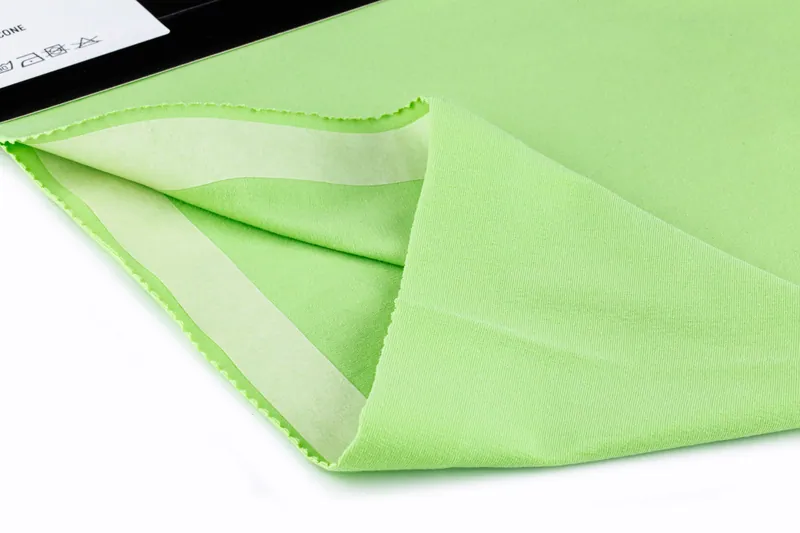
Cords and drawstrings on children's clothing: EU safety rules
A hood drawstring takes five minutes in the workshop and is one of the best-known reasons children's clothing gets recalled from the market.
 Kidswear & babywear
How to build a kids' hoodie and tracksuit line for winter
Hoodies and tracksuits drive cold-season sales in kidswear. A well-built line has few styles, the right weights and sets planned from the start.
 Kidswear & babywear
Matching parent-and-child sets: is a mini-me line worth it?
Matching outfits for parents and children look great in photos and sell well at holiday time. But they add an adult size range and a colour problem to solve.
 Costing, pricing & margins
How much fabric does a hoodie need? Calculating consumption
The hood, the kangaroo pocket and heavy fleece make the hoodie the garment where a consumption error costs most. Here is the calculation, piece by piece.
 Costing, pricing & margins
How much extra fabric to order for cutting waste and shrinkage
Marker consumption is not the quantity to order. In between sit lay ends, defects, recuts and shrinkage in washing, and each one needs its own allowance.
 Costing, pricing & margins
What do rib cuffs, waistbands and necklines add to garment cost?
Cuffs and waistbands weigh little, but leave them off the cost sheet, or cost them as main fabric, and your final figure will be wrong.
 Costing, pricing & margins
How to cost freight for fabric and garments within the EU
A hoodie travels further than you think before it reaches a customer. Every leg costs money, and on small runs freight can exceed the cost of packaging.
 Costing, pricing & margins
How much does it cost to make a tracksuit? A worked costing
The tracksuit is the set where costs pile up fastest: almost a kilo of fabric, a zip, drawcords and more than half an hour of sewing.
Costing, pricing & marginsHow to cost finishing, quality control and packing per garment
The last metres of the production line are the easiest to forget on a cost sheet. Finishing, inspection and rejects need to be calculated, not assumed.
Costing, pricing & marginsCost-plus or value-based pricing: how to price a hoodie
Cost tells you the price you must never go below. The customer tells you how high you can go. The right price lives in between.
 Costing, pricing & margins
End-of-season markdowns: how to plan a clearance that protects margin
A clearance does not have to be a panic in February. Planned properly, it is a normal stage of the season with its own budget and calendar.
Costing, pricing & marginsHow to read the profitability of a collection after the season
Turnover shows how much you sold. A style-by-style review shows what made you money and what only cost you time, space and capital.
Costing, pricing & marginsBreak-even point: how many pieces must your clothing brand sell?
Before any growth plan, find the minimum number of pieces that pays the rent, the accountant and the wages. Everything you sell beyond it is profit.
 Quality, compliance & sustainability
How to prevent pilling on hoodies and joggers before you order
Bobbles on the elbows and under the arms make a new hoodie look old within a month. You can assess the risk right at the fabric selection stage.
 Quality, compliance & sustainability
How to test seam strength on joggers and sweatshirts
On knits, a seam has to be both strong and stretchy. If either is missing, joggers come apart exactly where everyone can see it.
 Quality, compliance & sustainability
Why rib cuffs and waistbands lose shape and how to test recovery
A hoodie can be made from excellent fleece, but if the cuffs stay stretched after a month, the customer will call it poor quality. Rib recovery is easy to test.
 Quality, compliance & sustainability
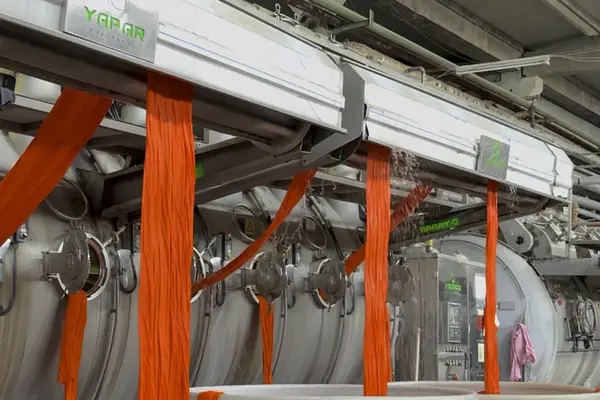
How to approve a pre-production sample and seal a gold sample
Once the pre-production sample is approved, every change costs time and money. That is why this stage deserves an hour of careful checking, not a quick glance.
 Quality, compliance & sustainability
Final inspection checklist for hoodies and fleece sweatshirts
Hoodies have more parts and more places to go wrong than a T-shirt. A dedicated checklist makes final inspection fast and complete.
Quality, compliance & sustainabilityCare label symbols explained: how to choose them for knitwear
Care symbols tell customers how to wash a garment, and they protect you when a complaint lands. Choose them from the fabric and trims, not out of habit.
 Quality, compliance & sustainability
How to label a hoodie with rib cuffs, lining and other parts
An ordinary hoodie often uses three different fabrics. EU rules are clear about how to declare them, and a well-built tech pack stops mistakes before labels are printed.
Quality, compliance & sustainabilityHow to build a product safety file for a garment
A style's technical file is not something you assemble on inspection day. It grows from the first samples and gets updated with every lot, mostly from documents you already receive.
Quality, compliance & sustainabilityChildren's clothing safety: drawstrings, cords and small parts
Children's clothing is among the products most often flagged for safety risks in the EU. Most of the problems can be solved at the design stage, at almost no cost.
 Quality, compliance & sustainability
Recycled polyester and recycled cotton: what brands should know
Recycled fibres are one of the most requested topics for new collections. They bring real benefits, along with technical trade-offs and strict rules on how you talk about them.
 Selling & marketing in Romania
How to build a wholesale price list for a clothing brand
A badly built wholesale price list can lose you money on every large order. We start from cost and end with a document you can send to buyers.
 Selling & marketing in Romania
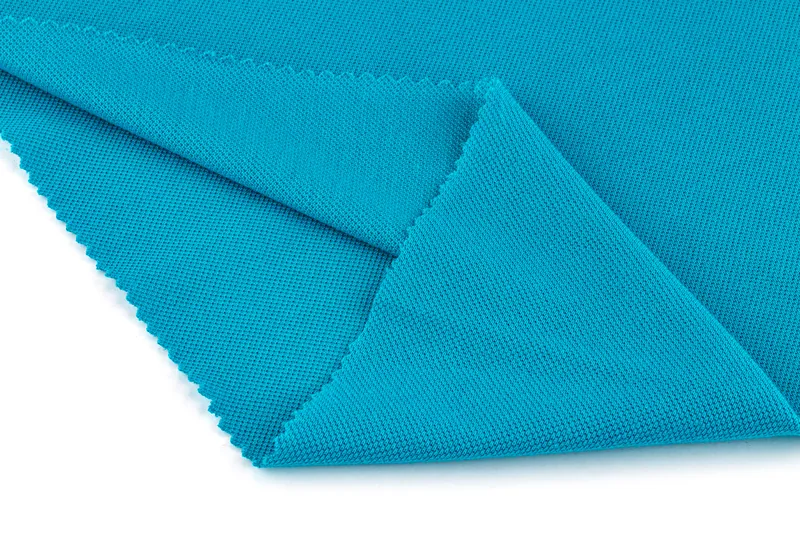
What is a line sheet and how do you make one for clothing?
Buyers have no time to browse an artistic lookbook. They need a document they can turn into an order in ten minutes.
Selling & marketing in RomaniaWhat minimum order should you set for wholesale buyers?
Set the minimum too high and small buyers walk away. Set it too low and you lose money on every parcel. Getting it right starts from your real costs.
Selling & marketing in RomaniaHow to sell clothing on eMAG: a guide for small apparel brands
A marketplace brings traffic a new brand simply does not have, but it charges for it in commission, price competition and strict rules. Here is how to go in prepared.
 Selling & marketing in Romania
How to photograph hoodies and T-shirts for your online shop
Good knitwear photos depend less on an expensive camera and more on garment prep, consistent light and a fixed shot list for every single style.
Selling & marketing in RomaniaTikTok for clothing brands: which videos actually drive sales
On TikTok the prettiest video does not win. The one that stops the thumb in the first second and shows something real does, and a clothing brand already has that material in the workroom.
Selling & marketing in RomaniaFacebook and Instagram ads for a small clothing brand
Paid ads can switch on sales for a new brand within days, and burn the budget just as fast. The difference is the maths you do before your first campaign.
Selling & marketing in RomaniaEmail marketing for a clothing brand: which emails to send
Your email list is the one marketing channel you truly own. Algorithms change and accounts get locked, but your subscribers stay yours.
Selling & marketing in RomaniaA marketing calendar for clothing brands selling in Romania
Successful campaigns are decided three or four months in advance, when the fabric is ordered and the workshop booked. Here is how the trading year looks for a clothing brand in Romania.