
#Cutting
Every The Knit Journal article about cutting, for clothing brands, workshops and entrepreneurs.
 Starting a clothing brand
How much fabric do you need for 100 T-shirts? A step-by-step guide
Get the fabric calculation wrong and you either run short of sizes or leave rolls on the shelf. Here is a full worked example for a run of 100 tees.
 Starting a clothing brand
How much fleece fabric do you need for 100 hoodies?
A hoodie uses three to four times more fabric than a tee, and calculation errors cost accordingly. Here is the complete example for a run of 100.
 Starting a clothing brand
Your first production run step by step: from fabric to stock
The first run is where the plan meets reality. Know the order of the stages and what can go wrong in each, and you will save weeks.
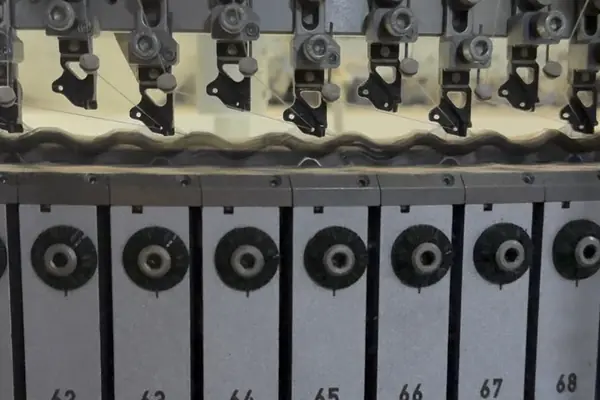 Garment manufacturing
How to equip a cutting room for knitted fabrics
The cutting room decides fabric consumption and the accuracy of every operation that follows. The right equipment costs less than the fabric it saves.
 Garment manufacturing
How to spread knitted fabric without tension before cutting
Knit fabric stretched on the table looks perfect, then pulls back after cutting. The difference between a correct panel and an undersized one is made at spreading.
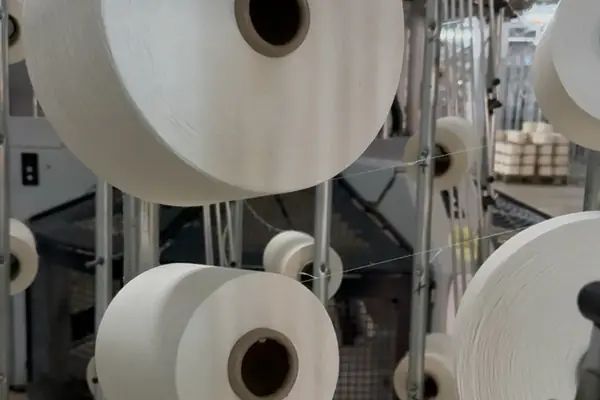 Garment manufacturing
How to cut knitted fabric accurately: knife, notches and bundles
A well-spread lay can be ruined in ten minutes of rushed cutting. This is how a knitwear cutting room works so panels match when they reach the machines.
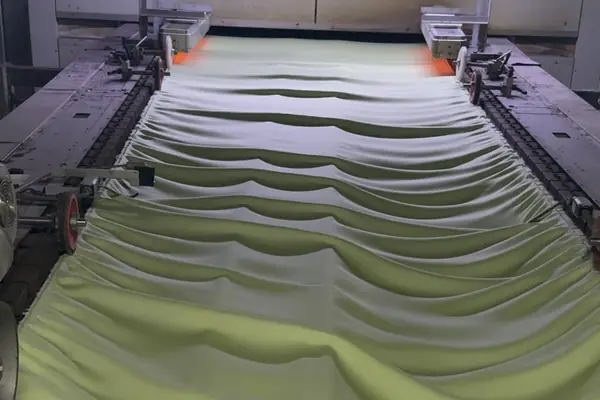 Garment manufacturing
Health, safety and ergonomics in a garment workshop
Back pain and cutting-knife injuries are not just part of the job. Most of them can be prevented with simple, inexpensive measures.
 T-shirts
Viscose jersey t-shirts: drape, cutting and care
Viscose turns a simple tee into a top that flows over the body. It also makes it the most demanding fabric in the jersey range to cut and to care for.
T-shirtsWhy do t-shirt side seams twist? Controlling spirality
The tee looks perfect on the hanger, and three washes later the side seam has wandered towards the front. The problem has a name, clear causes and practical fixes.
 T-shirts
How much fabric goes into a t-shirt? Working out kg per tee
Fabric is bought by the kilo, but patterns are measured in centimetres. The link between the two is a simple calculation every workshop should master.
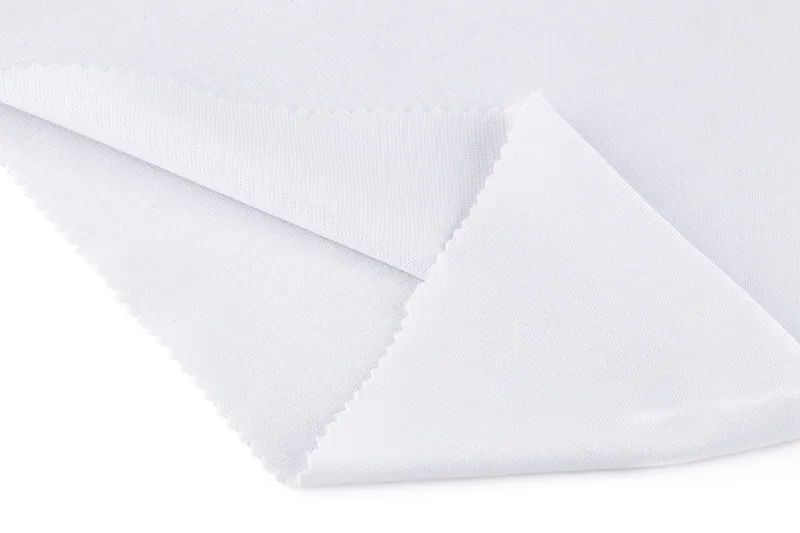 Hoodies & sweatshirts
How to calculate rib cuff and hem lengths for hoodies
A rib band cut 3 cm too long ripples; one cut too short puckers the body. Getting the calculation right takes five minutes.
 Hoodies & sweatshirts
How much fabric does a hoodie need? Consumption per piece
Hoodie fabric is bought by the kilo, but patterns are measured in centimetres. Here is how to link the two so you order exactly what you need.
Hoodies & sweatshirtsHow much fabric for a tracksuit? Consumption per set
A tracksuit is two products that must look like one. Consumption, marker planning and fabric ordering need to be worked out together.
 Hoodies & sweatshirts
How to cut fleece for hoodies without waste or distortion
On hoodies, many faults that look like sewing faults are really cutting faults. Twisted sleeves, shade differences and uneven pieces start on the cutting table.
 Polo shirts & uniforms
How much fabric does a polo shirt use? Calculating consumption
Piqué is bought by the kilo but cut by the metre. Bridging the two is simple once you know which figures to ask for and where the losses hide.
 Polo shirts & uniforms
How to prevent shrinkage and twisting in piqué polo shirts
A polo that loses a size, or whose side seams swing to the front after one wash, guarantees returns. Both defects can be prevented before cutting.
 Polo shirts & uniforms
How to cut piqué for polo shirts: spreading, markers and tubular
Most polo defects are born on the cutting table, not at the sewing machine. A disciplined cutting process saves fabric and avoids complaints later on.
 Kidswear & babywear
The envelope neck on baby bodysuits: how it works and how to cut it
Overlapping shoulders are not a decorative detail. They let a bodysuit pass over a baby's large head and be pulled down over the body when needed.
 Kidswear & babywear
Fabric consumption for small sizes: how much per baby garment
On small garments, a few points of marker efficiency change the cost per piece more than a discount on the fabric price. Here is the calculation step by step.
 Loungewear, pyjamas & activewear
How to sew summer nightdresses from viscose jersey
Viscose gives a nightdress the fluid drape shoppers want in summer. A few cutting and sewing rules stop it coming out of the wash crooked.
 Loungewear, pyjamas & activewear
How much fabric does a pyjama set need? A costing example
Knitted fabric is bought by the kilo, but patterns are measured in square metres. Here is how to connect the two so you buy neither too much nor too little.
 Loungewear, pyjamas & activewear
How to test shrinkage on pyjama fabric before bulk cutting
Shrinkage is invisible on the cutting table. It shows up at the customer's home, after the first wash. The test takes a day and a few metres of fabric.
 Loungewear, pyjamas & activewear
Costing leggings and a top: fabric consumption worked example
Fabric is sold by the kilo, patterns are planned in metres and customers pay per piece. A proper costing links all three units without nasty surprises.
 Costing, pricing & margins
How to calculate fabric cost per T-shirt from the price per kg
A price per kilo tells you nothing until you know how many grams go into a T-shirt. This is how to get from the kilo to the piece without guessing.
 Costing, pricing & margins
Marker efficiency: how your cutting layout drives fabric cost
The fabric between the pieces costs exactly as much as the fabric in them. Marker efficiency shows how much of what you bought actually ends up in garments.
 Costing, pricing & margins
How much extra fabric to order for cutting waste and shrinkage
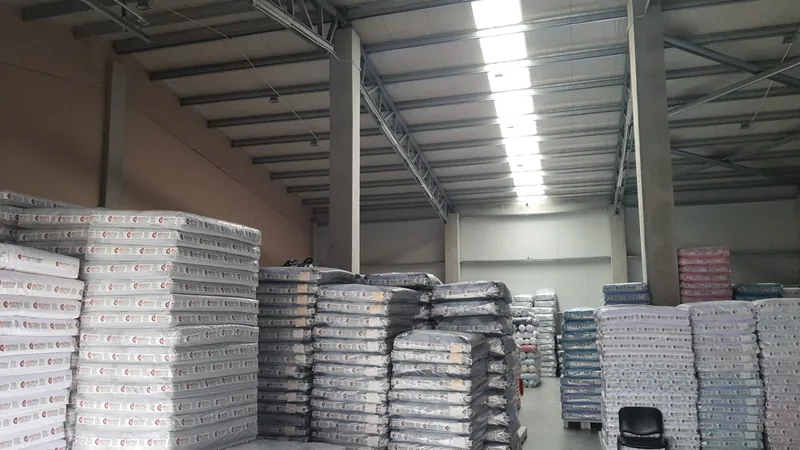
Marker consumption is not the quantity to order. In between sit lay ends, defects, recuts and shrinkage in washing, and each one needs its own allowance.
 Costing, pricing & margins
How the size ratio changes your average cost per garment
If your cost sheet starts from size M but you sell plenty of L, XL and XXL, real cost is higher than you think. The size ratio fixes that.
Costing, pricing & marginsHow to cost a viscose jersey dress: a worked example
With dresses, the issue is not fabric weight but area. A flared skirt and a fluid fabric change consumption, cutting time and the reject rate.
 Quality, compliance & sustainability
Dye lot shade differences: how to use shade bands in production
A hoodie with sleeves slightly lighter than the body has no sewing fault at all, yet it comes back as a return. Dye lot control is how you prevent exactly that.
 Quality, compliance & sustainability
How to test knitted fabric shrinkage before you start cutting
A T-shirt that loses a size after the first wash is not bad luck, it is a skipped test. A shrinkage test costs an hour and a piece of fabric.
 Quality, compliance & sustainability
Why T-shirt side seams twist: spirality in single jersey explained
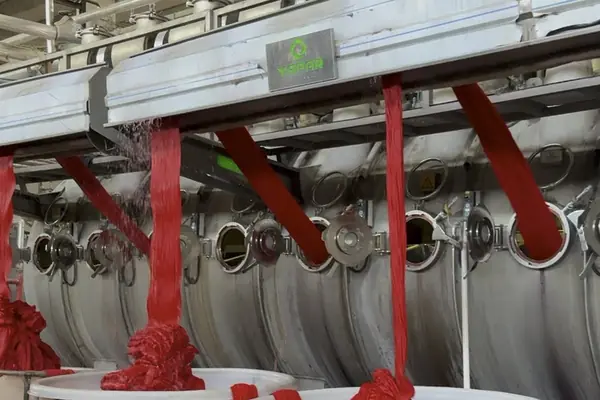
Spirality is one of the most common complaints on jersey tees. The good news is that you can measure it before production and keep it under control.
 Quality, compliance & sustainability
How to reduce fabric waste when cutting knitted garments
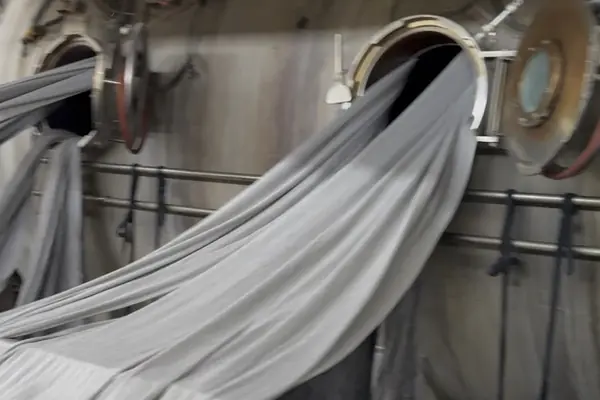
Every percentage point gained in marker efficiency means kilos of fabric saved and waste avoided. With knits, a few simple rules make a big difference.