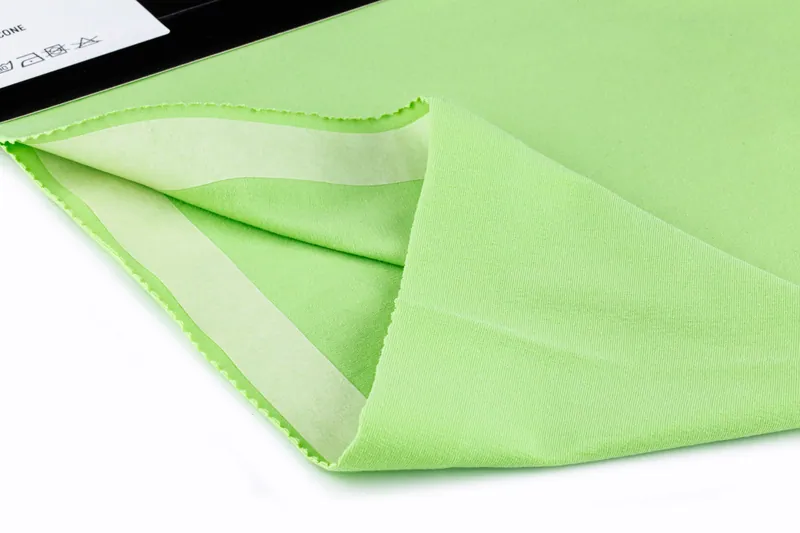

A viscose jersey nightdress is a summer classic: light, cool, with a fluid drape that looks good even in a simple cut. For the workshop, though, viscose is one of the most temperamental knits there is. It stretches on the cutting table, slides under the presser foot and can shrink noticeably in its first wash. Here is how to handle it properly.
Why viscose for nightdresses
Viscose is a regenerated cellulose fibre with very good moisture absorption and a cool feel on the skin. In a light jersey of 130–150 g/m², the fabric falls straight down the body without standing stiff, and it does not cling on warm nights the way synthetics do. Dark colours come out rich, and the surface has a gentle sheen.
The drawbacks are just as clear: lower strength when wet, more shrinkage than cotton and a tendency to distort if handled roughly.
Preparing the fabric before cutting
- Relaxing: unroll the fabric and leave it flat, tension-free, for at least 24 hours. Knitted viscose sits stretched on the roll and contracts once released.
- Shrinkage test: cut three 50 × 50 cm squares, mark them, wash and dry them exactly as your care label will say, then measure length and width.
- Pattern correction: if the test shows consistent shrinkage, build it into the pattern, separately for length and width. Use your own swatch results, not a guess.
- Lot check: for orders spanning several dye lots, repeat the test for each lot.
Cutting without distortion
With viscose, keep lays lower than you would for cotton because the plies slide. Lay each ply without pulling and hold the edges down with weights. Spreading paper under the first ply adds stability.
Fabric width matters when you plan the marker. A narrow jersey needs patterns designed to fit: the front and back of a flared nightdress may exceed the usable width, in which case you add a side seam or a gore. Make the marker before confirming the fabric order so you know your exact consumption.
Sewing: needles, threads and seams
- Use fine ball-point needles and textured polyester thread in the overlock loopers for stretch and softness.
- Reduce presser-foot pressure and adjust the differential feed until the seam stops waving.
- At the neckline, use a narrow binding of self fabric cut in the direction of most stretch, or a turned hem stabilised with a light knitted fusible tape.
- The bottom hem is cleanest on a coverstitch machine; test stitch length so you avoid a lettuce-edge effect.
- Press at moderate temperature with a press cloth to avoid shine on dark colours.
The fabric we would use
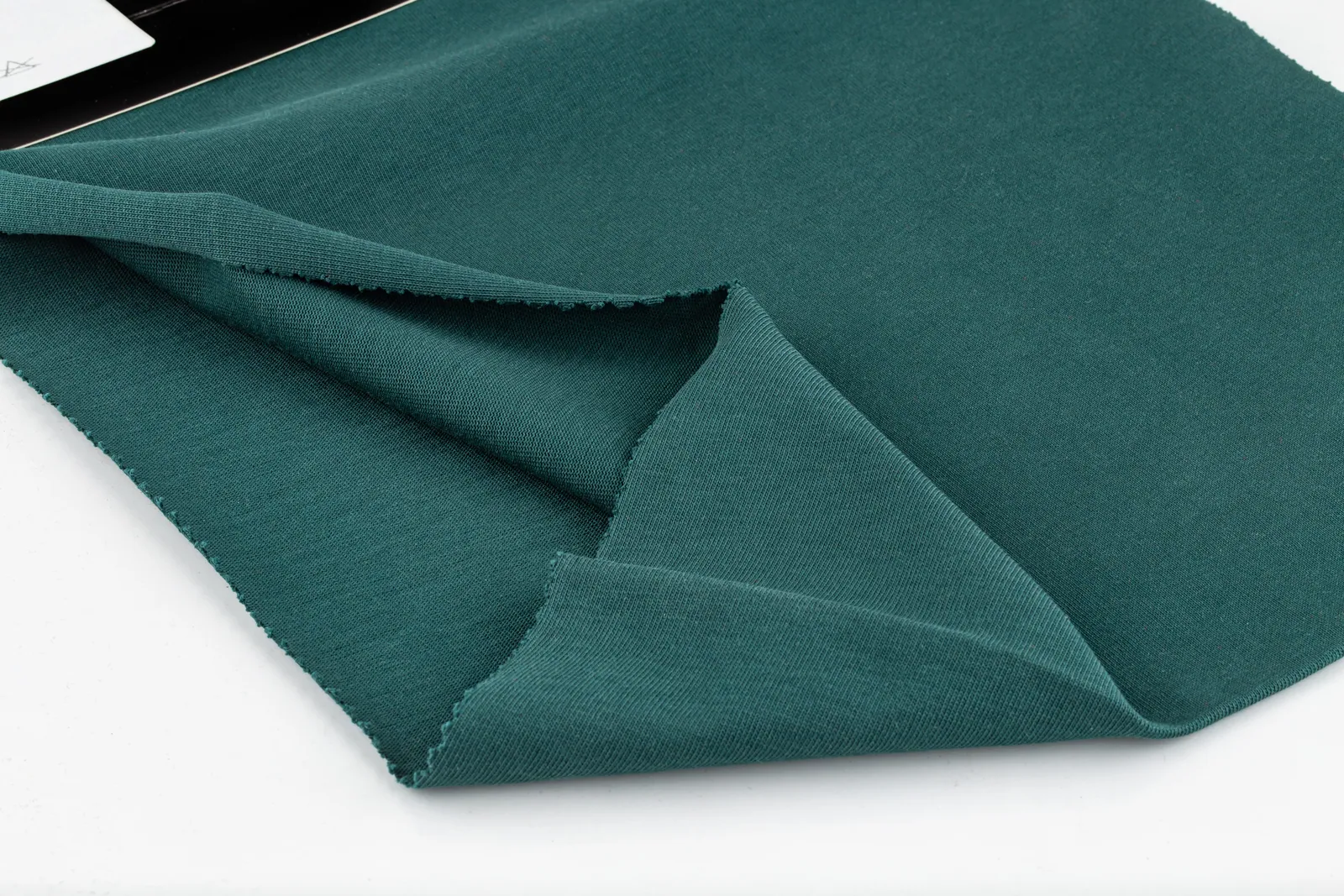
For a collection of summer nightdresses in dark shades we would recommend our navy 135 g jersey in 100% viscose. The low weight keeps it cool, and pure viscose gives exactly the soft drape customers expect from this product. Navy is a safe seller and hides the see-through effect that often troubles light, pale jerseys. Its width of about 82 cm needs to be factored into your marker, as explained above.
If you want the same nightdress in pastel shades too, check opacity on a full prototype before ordering.
Care instructions and customer communication
Viscose does not forgive a hot tumble dryer. On the care label and the product page, recommend a cool wash, a delicate programme and drying flat. A nightdress that gets shorter after its first wash generates returns and poor reviews even when it was made correctly. A few clear lines in the product description prevent most of these problems. It also helps to include a size chart with finished garment measurements, not just body measurements, so customers can compare the length with a nightdress they already own.
The viscose jersey is made to order in any of the 220 card colours, from 150 kg per colour, with lab dips for custom shades. For details on lots and lead times, send an enquiry, or look at our single jersey range for cotton alternatives.
Frequently asked questions
How much does viscose jersey usually shrink?
Shrinkage varies widely with knit construction, finishing and washing method, so there is no reliable single figure. The only sound approach is to test swatches from your own lot through washing and drying, then correct the pattern using the measured values.
Can viscose nightdresses go in the tumble dryer?
It is not recommended. Heat and friction in the dryer increase shrinkage and can distort the knit. On the care label, specify drying flat or on a hanger and a gentle low-temperature wash so the garment keeps its length and drape.
Which neckline finish works best on viscose?
A narrow self-fabric binding cut along the direction of greatest stretch gives the cleanest result. A turned hem stabilised with knitted fusible tape also works. Avoid heavy rib, which contrasts with viscose's fluid drape and can make the neckline stand stiff.