
#Elastane
Every The Knit Journal article about elastane, for clothing brands, workshops and entrepreneurs.
 Garment manufacturing
Flatlock machine: what it does and which knit products need it
A flatlock is not a basic machine, but for activewear, underwear and close-fitting garments it can become the most important one in the workshop.
 Garment manufacturing
How to spread knitted fabric without tension before cutting
Knit fabric stretched on the table looks perfect, then pulls back after cutting. The difference between a correct panel and an undersized one is made at spreading.
 Garment manufacturing
Wavy seams on knits: how to set differential feed and tension
A seam that ripples is the clearest sign of a badly sewn tee. The good news: it is almost always fixed with settings, not with a new machine.
 Garment manufacturing
Pattern making for knits: allowing for stretch and shrinkage
The same pattern gives a perfect tee in one fabric and a tight one in another. The difference lies in stretch, shrinkage and the tests you run before cutting.
 T-shirts
Cotton-elastane jersey for t-shirts: when it pays off and when not
A few per cent of elastane turns a loose tee into one that follows the body and keeps its shape. The same elastane also changes the rules in your workshop.
 T-shirts
Modal blend jersey t-shirts: how to get a premium soft hand
When a customer picks up a premium tee, the first thing they judge is the fabric. Cotton and modal blends are one of the most reliable ways to win that first touch.
 T-shirts
Men's slim fit t-shirt: pattern, fabric and fit
The gap between a slim fit that flatters and one that feels tight comes down to a few well-placed centimetres in the pattern and the right fabric.
 T-shirts
Women's t-shirts: fits, shaping and choosing the jersey
A women's tee is not a men's tee made smaller. Shoulders, bust, length and fabric all need their own decisions, and every fit follows its own logic.
T-shirtsHeat transfer vinyl on t-shirts: settings for each fabric
Plotter-cut vinyl is the fastest route to a tee with a name, number or simple logo. How long it lasts depends on how well the vinyl, the press and the fabric are matched.
 Hoodies & sweatshirts
Does sweatshirt fabric need elastane? Pros and cons
A small percentage of elastane can completely change how a hoodie holds its shape. It is not a universal fix, though, and it comes with its own rules.
 Polo shirts & uniforms
Side slits and drop-tail hems on polos: how to make them right
Side vents and a longer back are small details that change how a polo hangs. Done badly, they tear, ripple and come undone after a few washes.
 Polo shirts & uniforms
Polo shirt fit: classic, regular or slim, and how to spec each
Slim and regular never mean the same thing at two factories. To get the fit you want, you have to describe it in centimetres, not adjectives.
 Polo shirts & uniforms
How to make a women's polo shirt that actually fits
The most common complaint about women's polos is that they look boxy. The fix lies in the pattern, the fabric and a handful of small details.
 Polo shirts & uniforms
How to make a sport polo shirt with polyester and elastane
A sport polo looks like a classic polo but behaves very differently at the cutting table, the machine and the heat press. These are the differences that matter.
 Polo shirts & uniforms
Stretch piqué with elastane for polos: pros, cons and sewing
A few per cent of elastane turns a stiff polo into one that moves with the body. The same few per cent call for different needles, seams and care with heat.
 Kidswear & babywear
100% cotton or blends: which composition suits children's skin?
100% cotton is every kidswear maker's reflex, but it is not the answer for every product. Age, contact area and how the garment is worn all change the choice.
 Kidswear & babywear
Girls' leggings and dresses: elastane jersey, weight and cut
Leggings that go see-through at the knee and dresses that sag after a month share one cause: fabric chosen for its colour rather than its recovery.
 Loungewear, pyjamas & activewear
Modal or cotton jersey: which is better for loungewear?
Premium loungewear shoppers increasingly ask for modal. Should you switch from cotton, or does a blend solve the problem better?
 Loungewear, pyjamas & activewear
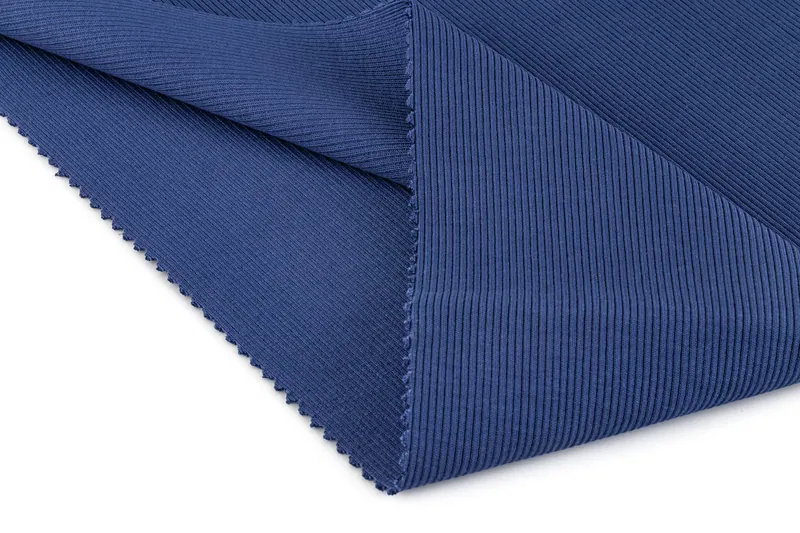
How to make rib tank tops and vests that keep their shape
A rib vest looks like the simplest item in the range. The difference between one that lasts a year and one that sags in three washes is all in the details.
 Loungewear, pyjamas & activewear
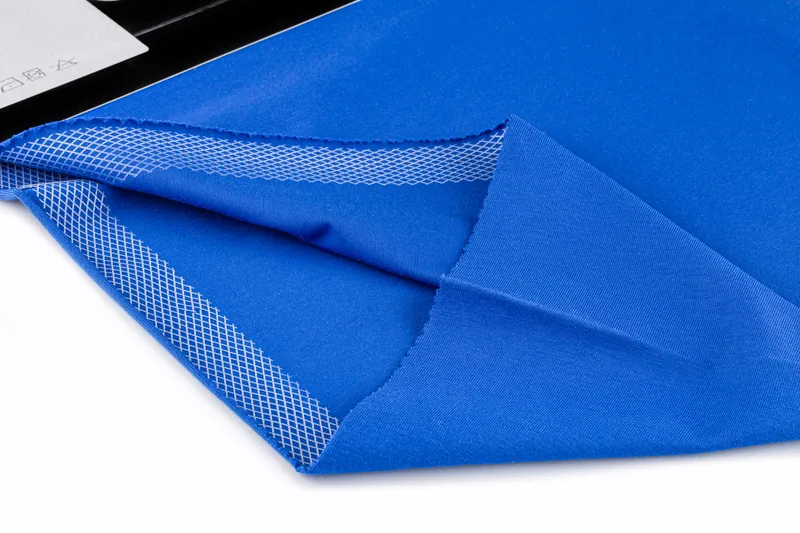
Elastic, drawcord or rib: choosing waistbands for lounge pants
Customers only notice the waistband when it digs in or the trousers slip down. That is why it deserves as much care as the fabric itself.
 Loungewear, pyjamas & activewear
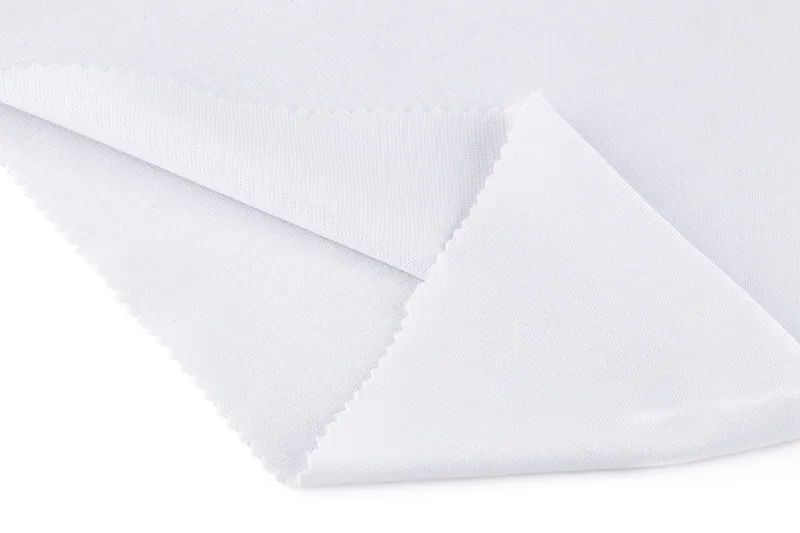
How to make jersey lounge dresses that don't lose their shape
A lounge dress is worn for hours, on the sofa, in the kitchen, walking the dog. That is exactly why it has to look the same in the evening as in the morning.
Loungewear, pyjamas & activewearHow to make men's boxer briefs from stretch jersey
Boxer briefs are bought in packs and rebought often. A brand that gets them right wins loyal customers; one that gets the fabric wrong loses them after the first wash.
 Loungewear, pyjamas & activewear
Maternity and nursing loungewear: fabrics and design tips
Maternity loungewear is a small niche with highly motivated customers. Products that solve real problems get recommended by word of mouth.
 Loungewear, pyjamas & activewear
Cotton-elastane or polyester: which knit should activewear use?
There is no single sports fabric. The right choice depends on how hard your customer trains and how long they keep the garment on once the workout is over.
 Loungewear, pyjamas & activewear
How to test stretch and recovery in knit fabric for activewear
The elastane percentage on a spec sheet guarantees nothing. What matters is how far the fabric stretches and how fully it comes back, and you can measure that yourself.
 Loungewear, pyjamas & activewear
What fabric is best for leggings? GSM, elastane and squat-proofing
Leggings look like the simplest product in a sports range. In reality they are where a wrong fabric choice shows instantly, at the very first squat.
Loungewear, pyjamas & activewearHow to develop a yoga clothing collection: fabric, styles, samples
Yoga wear sells on feel: how it sits on the skin, how it moves in poses and how it looks in photos. Every development decision should serve those three things.
Loungewear, pyjamas & activewearSizing fitted activewear: negative ease and grading explained
In fitted activewear, the pattern is smaller than the body. How much smaller depends on the fabric, and a few centimetres of error turn into returns.
Loungewear, pyjamas & activewearRib knit sports bras and crop tops for low-impact training
A yoga bra is not a running bra. Understand support levels and you choose the right fabric, and you never promise more than the product can deliver.
Loungewear, pyjamas & activewearDancewear for dance schools: fabric and ordering guide
Dance schools order every autumn and before every show. For a workshop they are repeat customers, as long as it understands what dancers need from a fabric.
 Loungewear, pyjamas & activewear
Printing on activewear: DTF, screen print and sublimation
A print that cracks at the first stretch, or a shiny mark from the press, ruins a good garment. In activewear, the print method is chosen together with the fabric.
 Quality, compliance & sustainability
Care label symbols explained: how to choose them for knitwear
Care symbols tell customers how to wash a garment, and they protect you when a complaint lands. Choose them from the fabric and trims, not out of habit.