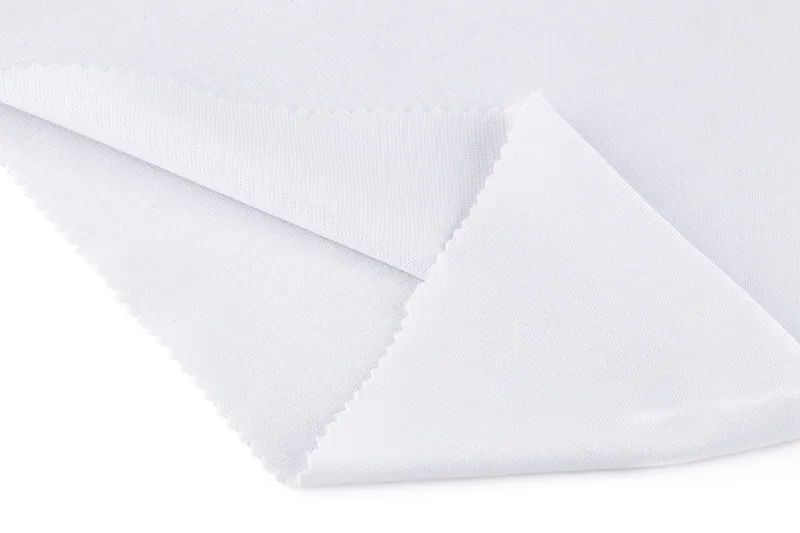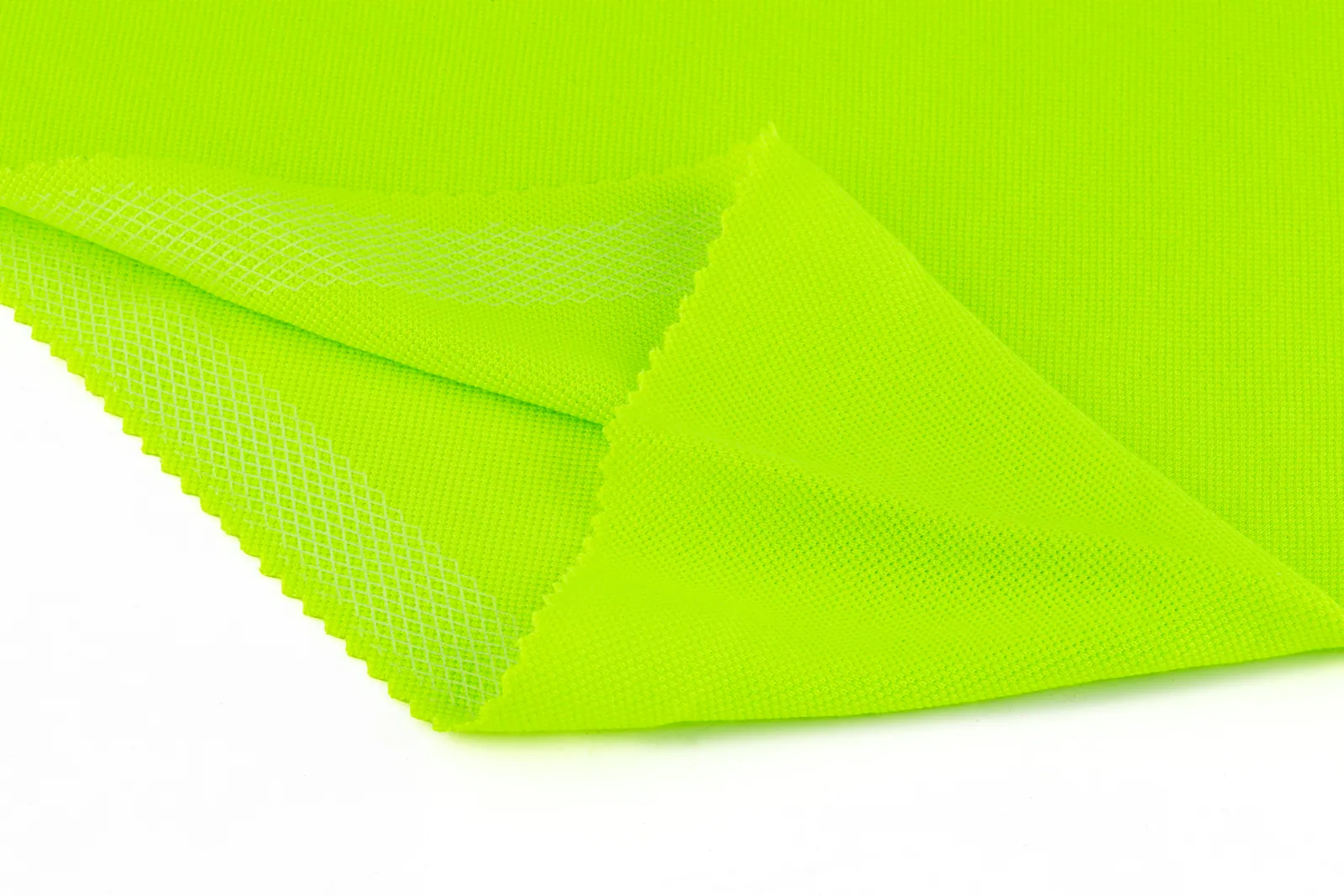
Elastane has found its way into many polo piqués in recent years. A small amount, usually between 2 and 5%, visibly changes how the shirt behaves: it sits better on the body, recovers after movement and keeps its shape at the shoulders and elbows. For a workroom, though, stretch piqué cannot be handled like 100% cotton. Ignore the differences and you get rippled hems, broken seams and shirts that distort after the first pressing.
What elastane brings
- A better fit on the body. Slim and women's fits can carry less ease without becoming uncomfortable.
- Recovery after stretching. The shirt does not stay baggy at the elbows or chest after a day's wear.
- Comfort in movement, important for staff who stand, lift or bend a lot.
- A tidy look for longer, because the fabric does not distort easily.
The risks you need to manage
- Edges curl strongly after cutting, which slows sewing and makes alignment harder.
- Heat sensitivity. Elastane can be damaged at high temperatures: under the iron, on transfer presses or in very hot dryers. The result is lost stretch or shiny patches.
- Chlorine sensitivity, which weakens the fibre over time.
- Higher shrinkage if the fabric was not properly heat-set in finishing.
- Rippled hems if the fabric is stretched while sewing.
A reliable supplier heat-sets stretch fabric during finishing to stabilise its width and shrinkage. Ask about this step explicitly.
A simple workroom test shows whether the fabric is stable: cut a strip 10 cm wide, stretch it to the maximum ten times, then leave it on the table for five minutes and measure it. If it stays visibly longer than at the start, the fabric does not recover well enough, and the shirt will bag at the elbows and chest after a few wears. Repeat the test after one wash as well, because some fabrics only lose their recovery then.
Cutting stretch piqué
- Let the unrolled fabric relax for at least a day before spreading; elastane needs time to recover from the tension on the roll.
- Spread without tension and do not pull at the edges.
- Use weights or clamps on the marker, because plies slide more easily.
- Check the width of every roll; stretch fabrics can vary more in width.
- Lay fewer plies than with a rigid piqué to stop pieces shifting under the cutting knife.
Sewing: settings and trims
- Ball-point needles suited to stretch knits, so you do not cut the elastane; sharp needles leave holes that open up with wear.
- Stretch seams: four-thread overlock for assembly and a twin or triple-needle coverstitch for hems. A plain straight lockstitch breaks when stretched.
- Differential feed set to prevent rippling.
- Shoulder tape or stay tape in the shoulder seam so the shoulders do not grow over time.
- Low-temperature fusible on the placket, tested so it does not damage the elastane.
Personalisation and care
For embroidery, use a firmer cut-away backing and do not stretch the fabric in the hoop. For transfers and DTF, keep to the lowest effective temperatures and run trials, because excessive heat and pressure can leave permanent marks. On the care label, recommend washing at moderate temperatures, no chlorine bleach and ironing at a low or medium setting. Declare the elastane percentage in the composition, however small.
Adjusting the pattern
A pattern drafted for rigid piqué will come out looser than you want in a stretch piqué. Reduce ease at the chest and waist and test on a sample. Be careful at the neck and armhole, though: stretch does not replace a correct pattern in these areas, where the shirt must not pull.
A stretch piqué for modern polos
For a range of slim or women's polos in seasonal shades, the single piqué in mustard yellow, 200 g is a good example: combed cotton with elastane gives recovery, and the silky-touch finish feels pleasant to wear. It is made to order from 150 kg per colour, in any of the 220 card colours. For trial runs, check the stock list, which includes other stretch piqué articles with no minimum order, or send an enquiry directly.
Frequently asked questions
How much elastane is right in a polo piqué?
For polos, a small amount, generally 2–5%, is enough for comfort and recovery. Higher percentages are used in activewear. More elastane does not automatically make a better product; it increases heat sensitivity and cost without a real gain on a casual polo.
Can I iron a stretch piqué polo?
Yes, but at a low or medium setting, preferably inside out or with a press cloth. High temperatures can damage the elastane, leaving shiny or slack areas. State the correct temperature on the care label so customers follow it too.
Why did my hems ripple after sewing?
Usually because the fabric was stretched during sewing, either by the machine feed or by the operator's hand. Adjust the differential feed, reduce presser foot pressure and let the fabric run freely. Test settings on offcuts from the same roll before the run.