A children's clothing brand has a few features that set it apart from an adult brand. The person wearing the garment is not the one choosing and paying for it. Safety rules are stricter. Sizes change every few months, and clothes are washed far more often. Founders who understand this from the start build a brand parents trust; those who ignore it risk returns, complaints and even having products withdrawn from the market.
The real customer: the parent (and the grandparents)
The child wears the garment, but the parent decides. Their criteria differ from those of an adult fashion shopper:
- safety: no small parts that can come off, no dangerous cords, no harmful substances;
- comfort: soft fabric, seams that do not irritate, labels that do not scratch;
- practicality: easy to put on, washable at high temperatures, keeps its shape;
- value for money: children grow fast, so the garment must earn its price over a few months of wear.
Gifts are an important category, especially from grandparents and family friends. For them, packaging, a clear size chart and easy exchanges matter.
Product safety: the general framework
Children's clothing falls under the EU's general product safety rules (GPSR) and chemical requirements (REACH). On top of those there are specific European standards, for example the one on cords and drawstrings in children's clothing (EN 14682), and requirements on the strength of buttons, snaps and other trims that could be swallowed. How they apply depends on the age group and the product type, so ask a compliance specialist for advice before your first production run.
In practice, at the design stage:
- Avoid hood and neck drawstrings for young age groups.
- Use snaps and buttons that have been pull-tested, from suppliers who provide documentation.
- Avoid glued-on decorations that can come loose.
- Keep technical documentation and fabric certificates for every lot.
Fabric: where you do not compromise
Young children's skin is sensitive, and their clothes are washed often, sometimes daily. The fabric must be soft, breathable, stable in the wash and ideally certified free of harmful substances, for example OEKO-TEX, in a class suitable for babies. Ask the supplier for a valid certificate and check which articles it covers.
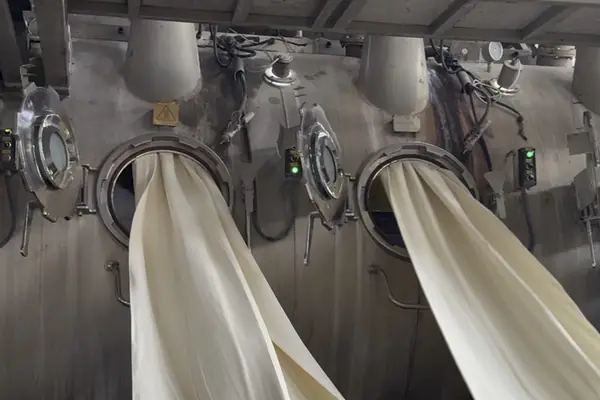
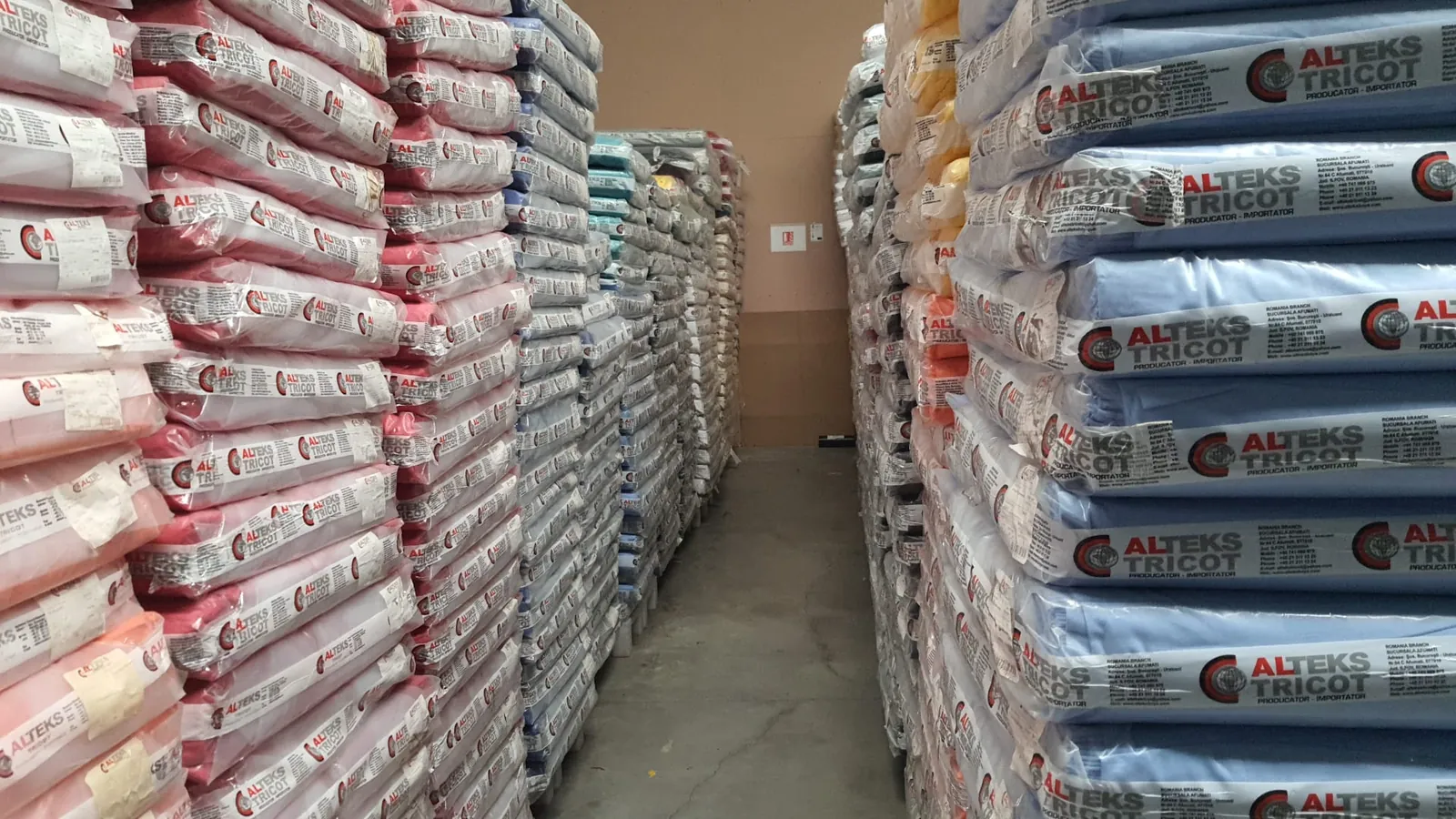
For bodysuits, pyjamas and baby tees, interlock is the classic choice: it looks the same on both sides, it is more stable and less stretchy across the width than single jersey, and its edges do not curl. An optic white interlock at 220 g in 100% combed cotton with a silky finish is a good base for a first line of bodysuits and pyjamas: the hand is very fine, optic white takes prints well and the weight gives body without bulk. It is made to order from 150 kg per colour; at roughly 0.08–0.12 kg per bodysuit, that is well over a thousand pieces, so it fits once your range is planned. For other options, see the interlock family.
Sizes and stock
A children's brand has far more sizes than an adult one: from newborn to a few years old, sizes change every few months or every few centimetres. That means:
- more stock combinations for each style;
- size charts by the child's height in centimetres, not just by age;
- a higher risk of sizes left unsold.
That is why many new brands start with a narrow age band (for example 0 to 24 months, or 2 to 6 years) and a few styles in colours that work together.
Positioning and channels
The children's market is crowded at low prices. Small brands usually succeed with a clear promise: certified cotton with nothing that irritates, recognisable local design, sets designed as gifts, or clothes for specific needs. Common channels are your own online shop, parent communities on Instagram and Facebook, marketplaces and small gift shops.
A pre-launch checklist
- An age band and three to five core styles.
- Certified fabrics, with documents kept for each lot.
- Tested trims and designs free of cord or small-part hazards.
- Labels showing composition under EU Regulation 1007/2011 and identification details.
- A size chart by height, checked on real garments.
- Repeated wash tests at the recommended temperature.
To discuss suitable fabrics and certificates, send us a quote request or visit our showroom in Afumați.
Frequently asked questions
Which fabric is best for baby clothes?
Combed cotton interlock is the classic choice for bodysuits and pyjamas: soft, stable, with edges that do not curl, and able to handle frequent washing. Cotton single jersey works for tees and rib for fitted pieces. Whatever the fabric, ask for a certificate covering harmful substances and check the class it was issued for.
Do I need certification to sell children's clothes?
Products must be safe and comply with EU rules, including on chemicals, and that responsibility is yours. Fabric certifications such as OEKO-TEX are not necessarily mandatory, but they are practical evidence of compliance and a strong argument for parents. A specialist can tell you which tests you need.
How many sizes should a first kids' collection have?
As few as possible, because every size multiplies stock. Many brands start with a narrow age band, such as 0 to 24 months in five or six sizes, and add new bands once they see what sells. The size chart should be given in centimetres of height, not just age.