
Many garment workshops start with the owner and a few operators in a small space, with machines bought one at a time. Growth usually comes from bigger orders or new clients. The trouble is that methods that work with five people, with everything in the owner's head, decisions on the spot and no records, start to crack at ten and collapse at twenty. Below are the typical stages and what has to change at each.
Stage 1: 5 to 8 operators, the owner does everything
At this stage the owner cuts, sets machines, checks garments, talks to clients and buys supplies. That is normal, but it has a clear limit: the workshop cannot produce more than one person can supervise.
What to prepare for the next stage:
- write down working methods: operation sheets, machine settings per fabric, the order of operations;
- start measuring: daily output, defects, standard times for the main products;
- identify the person in the team who could become line supervisor.
Stage 2: 8 to 15 operators, the first separate roles
Now the owner has to delegate. The first roles to separate are usually:
- Line supervisor: distributes bundles, balances the line, solves daily problems and trains beginners.
- Dedicated cutter: one person responsible for spreading, cutting, numbering and bundling. Cutting becomes a department rather than something done between other jobs.
- Mechanic, in-house or external on contract: preventive maintenance becomes essential when a stoppage affects ten people instead of two.
This is the stage to introduce a skill matrix, daily output records and a machine log.
Stage 3: 15 to 25 operators, systems and planning
At this level the workshop usually has several orders running at once, perhaps two lines and larger fabric needs. New roles appear:
- a quality controller, separate from production, checking on the line and at the end;
- a planning and purchasing person who tracks fabric, trims and order sequence;
- a finishing supervisor for trimming, pressing and packing.
Systems become essential: SAM for every product, capacity calculation, a maintenance plan, written procedures for receiving fabric and handling defects.
Space and machines
Space. Moving is one of the most expensive decisions. Before you move, check whether your current space is well used: a flow-based layout, organised storage, clear finishing zones. If you do move, choose a space that lets you grow one more stage, not just what you need today, and check the electrics, permits and safety conditions early.
Machines. Buy in the order of your bottlenecks, not your wish list. If hemming is the bottleneck, the next machine is a coverstitch, not an embroidery machine. Standardise models so spare parts and settings are shared. As volume rises, cutting equipment such as a longer table, a more powerful straight knife or eventually a spreading machine often becomes more urgent than sewing machines.
People: culture does not scale by itself
In a small workshop personal relationships hold the team together. In a larger one you need clear rules applied equally to everyone: hours, an explained pay system, quality criteria and a way to report problems. Short weekly meetings, results posted at line level and recognition for operators who train others help keep the atmosphere right. Contract and staffing matters should be checked with an accountant and an HR specialist.
Paying for growth
Growth needs money before it brings money in: wages for new people still in training, machines, fabric for larger orders. Plan investment in stages and discuss financing with your accountant. A simple way to protect cash is to buy stock fabric in the quantities each order needs, rather than tying money up in large inventories.
Common mistakes
- Hiring many people quickly with no line supervisor and no training plan.
- Moving into a large space before processes are stable.
- Accepting any order just to fill the new capacity.
- The owner remaining the only person who can set machines or calculate costs.
A product for the growth stage
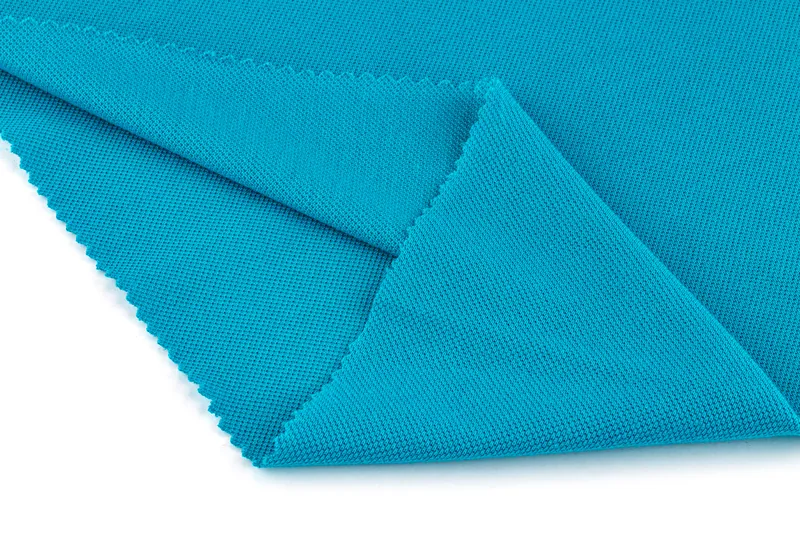
Hoodies and tracksuit sets are often the product workshops grow on: steady volumes, varied clients and a long season. For a premium hoodie line we would use the dark green french terry at 280 g, in combed cotton with elastane, brushed on the back. Its weight and brushing suit the colder season, and the elastane helps cuffs, waistband and hood keep their shape. Because it is stable and consistent from lot to lot, it lets you standardise times and settings, which is exactly what a growing workshop needs.
The article is in stock with no minimum order, sold by the roll in Afumați. For collection colours, articles in the french terry family are made to order from 150 kg per colour. You can read about fabric production on the mill page, and for a per-kilo quote use the quote request.
Frequently asked questions
Which role should I hire first as the workshop grows?
In most workshops, an experienced line supervisor who takes over bundle distribution, balancing and training. That frees the owner for clients, costing and purchasing. The second important role is usually a dedicated cutter.
When is it worth opening a second production line?
When different orders constantly get in each other's way on the same line, or when one line becomes too long for one person to supervise. Two smaller lines, each on a product type, are often easier to run than one very long one.
How do I stop quality slipping during growth?
Write the standards down before you grow: operation sheets, acceptance criteria, settings per fabric. Separate quality control from production and measure DHU weekly. Train new hires on those standards, not just by watching colleagues.