
In the beginning a clothing brand is usually one person, or two partners, doing everything: design, fabric orders, trips to the workshop, photos, posts, packing and replying to messages. That works for a few months, then it becomes the main bottleneck. The question is not whether you need help, but what kind of help and in what order.
The roles a clothing brand needs
- Brand and product direction: what gets made, for whom and how it looks. Usually the founder.
- Design: sketches, print artwork, tech packs.
- Pattern cutting and grading: turning an idea into patterns that cut correctly in every size.
- Production: cutting, sewing and finishing, usually at a CMT workshop.
- Production coordination: fabric orders, deadlines, quality control.
- Content and photography: product shots, lifestyle images, short video.
- Digital marketing: ads, email, collaborations.
- Online shop and customer service: orders, returns, messages.
- Logistics: storage, packing, dispatch.
- Accounting and legal.
What you keep for yourself
Three things are not outsourced in the first year: product decisions, the relationship with customers and control of the money. If someone else decides what you make, the brand becomes theirs. If you do not read customer messages yourself, you lose your best source of information. If you do not watch cash flow every day, you find out too late that there is no money for the second collection.
What you outsource from the start
- Bookkeeping: an accountant with e-commerce experience.
- Patterns and grading: a freelance pattern cutter or the workshop, paid per style.
- Making up: a CMT workshop you book per order.
- Product photography: a photographer paid per session.
- Legal work: for terms and conditions, trademark and contracts.
Working well with a freelance pattern cutter
The pattern cutter is one of a new brand's most important collaborators, because how the garment fits the customer depends on their patterns. A few rules:
- Give them a clear tech pack: sketch, measurements, fabrics, finishes, sizes.
- Give them the real fabric, not a similar one. Stretch and shrinkage differ from fabric to fabric.
- Ask for a sample in the base size, try it on a real person, make corrections and only then grade.
- State in the contract that the patterns and the rights to the design belong to you.
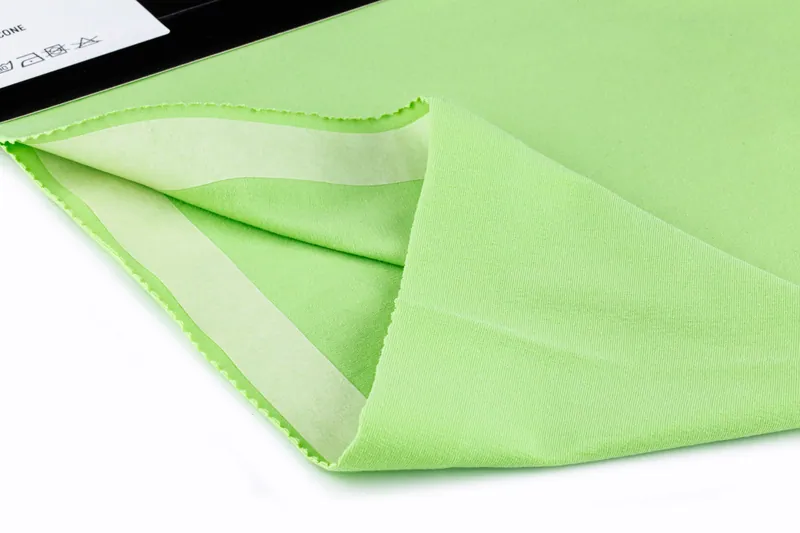
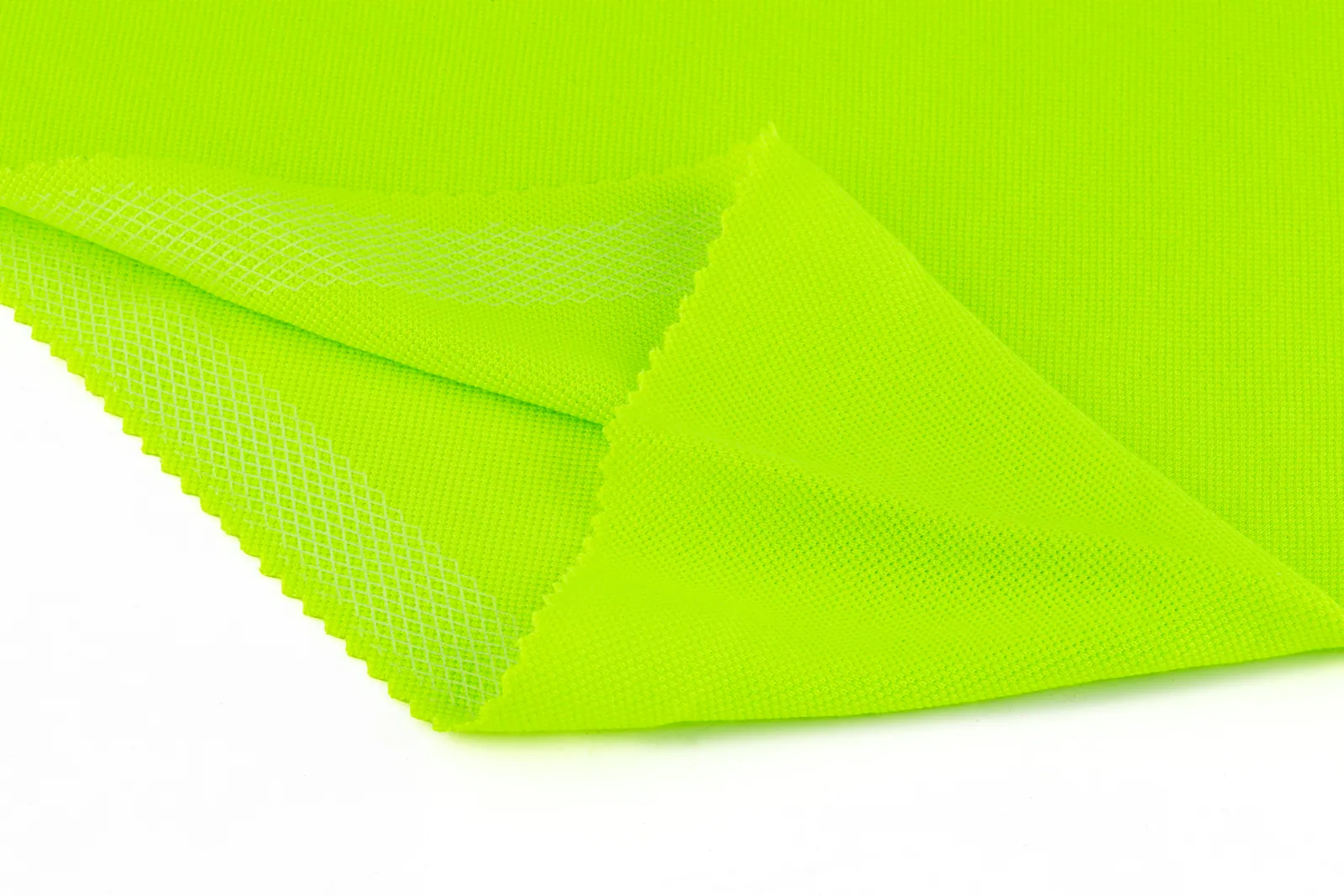
An example: a brand starting with a polo shirt gives the pattern cutter a royal blue single piqué at 200 g in combed cotton with elastane. The elastane changes how the fabric behaves compared with a 100% cotton piqué: the polo can be cut slightly closer to the body, and the collar and cuffs keep their shape. If the pattern cutter works on a different fabric, the pattern will no longer be right. As a stock fabric, it can be bought in the small quantity you need for samples. You will find other options in our piqué range.
Freelancers, agencies or employees
Freelancers are flexible and paid per project, but they have other clients and may be unavailable just when you need them. Agencies bring several skills at once, but cost more and are sometimes less engaged with small brands. Employees give you continuity and availability, but need a monthly salary, an employment contract and legal obligations you should check with your accountant.
For every collaboration, write a short contract setting out deliverables, deadlines, payment and who owns the rights to designs, photos and patterns.
When to hire your first person
A good signal is when more than half your time goes on repetitive work: packing, shipping, standard replies. The first hire is usually someone for operations and customer service rather than a designer, because that frees the founder's time for product and growth. Work out the full cost of an employee with your accountant and make sure the brand's margin can carry it from sales, not from savings.
For the fabrics your team uses for samples and production, ask for our stock list; if you would rather choose together with your pattern cutter, visit our warehouse in Afumați.
Frequently asked questions
Can I make the patterns for my first brand myself?
If you are trained in pattern cutting, yes. If not, patterns made without experience are one of the most common causes of returns: inconsistent sizing, shoulders that sit wrong, sleeves that are too tight. A pattern cutter experienced in knits costs far less than a production run with fit problems.
Do I need an in-house designer from the start?
Usually not. For the first collections, a freelance designer paid per project is enough, especially if the founder has a clear vision. An in-house designer makes sense once you launch collections regularly, several a year, and the workload justifies a monthly salary.
How do I make sure designs made by collaborators belong to me?
Through a written contract, signed before work starts, that transfers the economic copyright in designs, photos and patterns to your company. Without such a clause the ownership position can be unclear. A lawyer can prepare a template contract you use with every collaborator.